Rhynchospora exaltata
Rhynchospora exaltata
Description
Rhynchospora exaltata is a perennial herbaceous plant belonging to the Cyperaceae family. It is a specialized sedge primarily adapted to wetland and hydric conditions. In modern agriculture, it is increasingly valued as a functional plant for environmental stabilization and water management rather than as a standard crop, given its specific biological requirements.
The native range of this species extends across tropical and subtropical regions of the Americas. It is typically found in habitats such as floodplains, marshy meadows, and along the edges of permanent water bodies. These regions are characterized by consistently high moisture levels, which are the primary requirement for the plant's survival and optimal development in an agricultural or environmental setting.
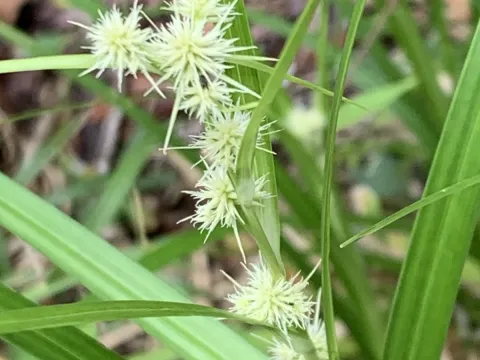
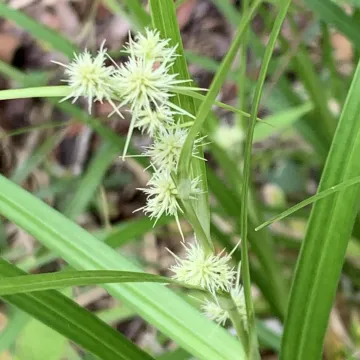
Botanically, the species is defined by its erect stems and clusters of flowers, which are typical for the genus Rhynchospora. The foliage is narrow and grass-like, contributing to a dense root structure. This root system is highly evolved to manage gas exchange in saturated soils, allowing the plant to thrive in environments where traditional crops would suffer from root asphyxiation.
Cultivation practices necessitate a deep understanding of wetland hydrology. The plant requires water-saturated substrates and thrives in acidic to neutral soil environments. Minimal fertilization is generally required as the plant is efficient at extracting nutrients from its environment. Weed control in a young plantation is crucial until the root mats are fully established, after which the sedge typically outcompetes other unwanted vegetation.
In terms of хозяйственного usage, Rhynchospora exaltata is used primarily for phytoremediation and biofiltration. It assists in absorbing excess nitrogen and phosphorus from agricultural runoff, protecting local water quality. It is also an effective tool for preventing soil erosion in areas prone to seasonal flooding, making it a critical asset in sustainable landscape management.
- Adaptation to hydric soil environments.
- High efficiency in phytoremediation.
- Erosion control in flood zones.
- Resistant to most common grain pests.
Photo gallery