Rhynchospora stellata
Rhynchospora stellata
Description
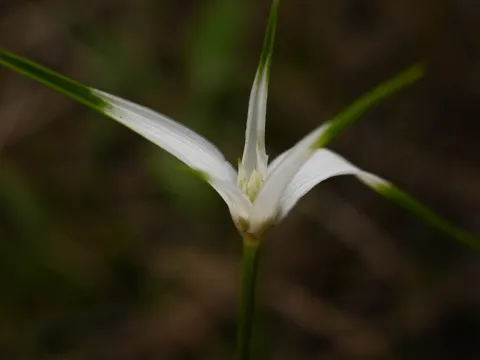
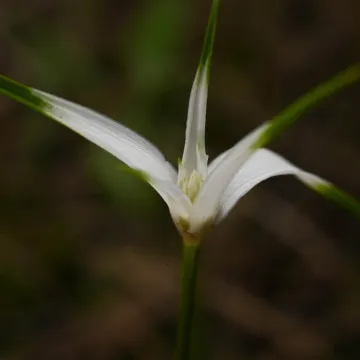
Rhynchospora stellata, commonly known as the star rush, is a fascinating perennial plant belonging to the Cyperaceae (sedge) family. It is widely recognized for its distinctive inflorescences, where the bracts surrounding the flowers turn a striking white color, resembling stars scattered across the foliage.
Originating primarily from North and Central America, this plant is naturally found in wetlands, wet meadows, and pine savannas. Its native range is characterized by damp, humid conditions where the soil remains consistently moist, allowing the plant to thrive throughout the growing season.
Botanically, Rhynchospora stellata features slender, grass-like leaves and stems that grow in dense clumps. The white bracts are not petals, but modified leaves that serve as a visual signal. This specific adaptation helps the plant stand out in diverse herbaceous communities, aiding in its reproductive success and survival.
In terms of cultivation, this species requires specific environmental parameters to flourish. It thrives best in soils that are moist to wet and slightly acidic to neutral in pH. When used in landscaping, it is essential to ensure that the soil does not dry out, as the plant is not drought-tolerant and performs best in full sunlight.
The practical application of Rhynchospora stellata is largely centered around ornamental and ecological roles. It is highly valued in wetland restoration and the design of rain gardens or pond edges. While not a conventional food crop, it serves as a vital component in supporting local biodiversity and improving the aesthetics of water-logged garden areas.
- Attractive star-shaped white bracts.
- Perennial growth habit.
- Prefers full sun and high moisture.
- Excellent for rain garden environments.
Photo gallery