Salvinia herzogii
Salvinia herzogii
Description
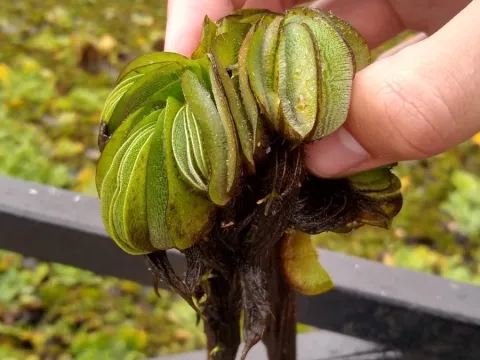
Salvinia herzogii is a species of floating aquatic fern belonging to the Salviniaceae family. It is recognized for its structural complexity, characterized by leaves covered in specialized hairs that ensure buoyancy and high surface area, making it a highly efficient biological agent for nutrient uptake in aquatic environments.
Originating from the tropical and subtropical regions of South America, specifically the Paraguay River basin, this plant thrives in warm, calm freshwater bodies. Its native habitat includes marshlands and slow-moving rivers where it forms dense mats. Due to its hardiness in appropriate thermal conditions, it is now cultivated in various controlled agricultural setups globally.
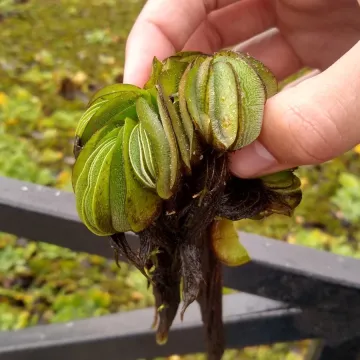
The botanical structure of Salvinia herzogii consists of horizontal rhizomes producing whorls of three leaves. Two leaves float on the surface, while the third remains submerged and modified into complex root-like structures. These submerged parts are essential for nutrient absorption, allowing the plant to filter nitrates and phosphates from the water column effectively.
Successful cultivation of this crop requires specific environmental parameters, including water temperatures between 20°C and 28°C and moderate to bright indirect light. The plant is highly sensitive to frost and extreme heat stress. In agricultural practice, maintaining optimal water chemistry and preventing excessive density are critical for ensuring rapid and healthy biomass accumulation.
Key areas of хозяйственного use for Salvinia herzogii include:
- Water purification (phytoremediation) in contaminated ponds and reservoirs.
- Biomass harvesting for compost production and organic fertilization.
- Educational and research use in hydroponic and aquaponic systems.
- Ornamental horticulture for water gardens and aquatic displays.
Common agricultural challenges involve pest management and the prevention of fungal diseases which occur when air circulation is poor or water quality degrades. Proper management requires monitoring nutrient levels and ensuring that the plant population does not exceed the carrying capacity of the container, which helps avoid senescence and maintains the overall vitality of the crop.
Photo gallery