
Floating watermoss
Salvinia natans
Description
Floating watermoss (Salvinia natans) is a unique annual aquatic fern belonging to the Salviniaceae family. It is a free-floating hydrophyte that thrives on the surface of freshwater bodies, playing a vital role in local aquatic ecosystems. Unlike typical agricultural crops, it does not require soil for growth, extracting nutrients directly from the water column.
Originating from temperate and tropical regions of Eurasia and Africa, this plant is widespread in calm, stagnant, or slow-moving waters. It is particularly common in marshlands and small ponds where sunlight exposure is maximized, allowing for rapid colonization of the water surface.
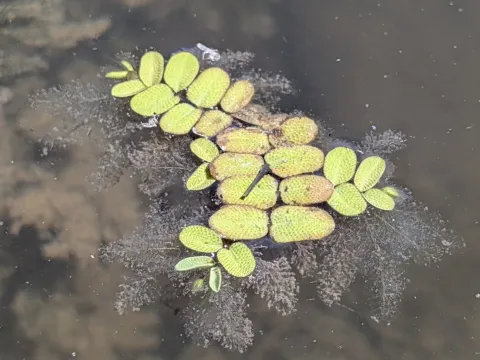
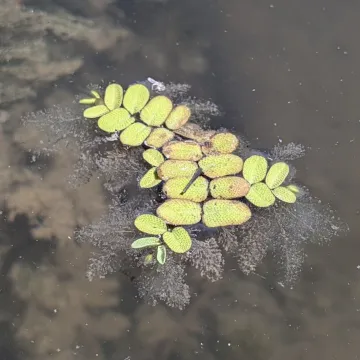
The morphology of the plant is distinctive: it features a horizontal stem with whorls of leaves. Two floating leaves remain on the surface and are coated with hydrophobic hairs that keep them dry, while a third leaf is submerged, finely divided into root-like filaments that perform nutrient absorption tasks.
For optimal growth, Salvinia natans requires warm water temperatures (ideally 20–25°C) and consistent, bright sunlight. Cultivation practices involve monitoring water nutrient levels and ensuring that the water surface remains calm to prevent damage to the delicate foliage. The plant is highly sensitive to frost and sudden temperature drops.
The main uses of this culture include phytoremediation, where it is employed to remove excess nitrates and phosphates from water, and ornamental landscaping for decorative ponds or aquariums. Common pests include small aquatic insects and snails.
- Requires high light intensity.
- Thrives in nutrient-rich water.
- Must be protected from mechanical damage and freezing.
Photo gallery