Schoenoplectiella praelongata
Schoenoplectiella praelongata
Description
Schoenoplectiella praelongata is a perennial herb belonging to the Cyperaceae family. It is a specialized aquatic plant that has transitioned from the traditional Scirpus genus into a distinct classification better suited to its unique morphological characteristics and ecological requirements within wetlands.
The native range of this species spans the tropical and subtropical regions of Asia, where it is found in diverse habitats, including riversides, marshes, and paddy fields. It thrives in environments characterized by water saturation, making it a critical component of local hydrological landscapes and a resilient crop in flood-prone agricultural areas.
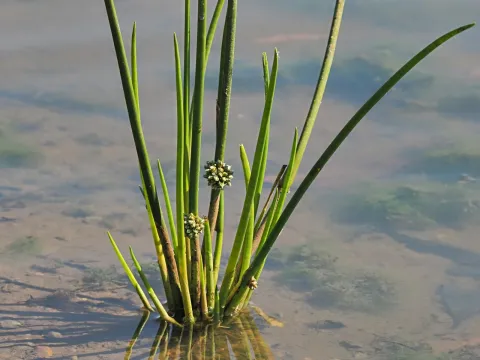
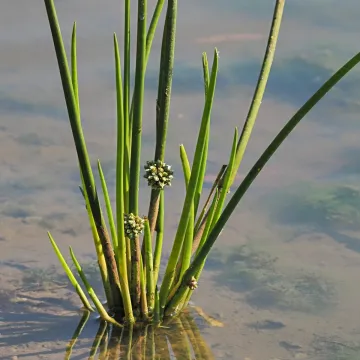
Botanically, the plant features erect, smooth stems capable of reaching significant heights, supported by a vigorous rhizome system. The inflorescences are characterized as lateral, spike-like structures, which facilitate effective wind pollination in dense stands. This architecture allows the plant to maintain physiological efficiency while submerged or partially flooded.
Agricultural success with this species depends heavily on maintaining water levels. The plant requires nutrient-rich, silty substrates and prefers consistent hydrological conditions. Propagation is primarily achieved through rhizome division during the early stages of the growing season. Nitrogen management is essential to maximize biomass production, as the plant exhibits high nutrient uptake efficiency.
The economic and industrial applications of Schoenoplectiella praelongata are wide-ranging:
- Harvesting for natural fiber used in artisanal weaving and floor mats.
- Utilization in constructed wetlands for industrial and agricultural wastewater treatment.
- Potential use in biomass energy production after anaerobic digestion.
- Soil stabilization and erosion control for coastal and riparian zones.
Disease and pest management primarily involves monitoring for fungal outbreaks that affect stem integrity under stagnant water conditions. Certain herbivorous insects can also pose threats to foliage development. Integrating proper water management techniques and maintaining adequate spacing helps to reduce the incidence of pathogens, ensuring the health and high yields of the stands.
Photo gallery