Senegalia bonariensis
Senegalia bonariensis
Description
Senegalia bonariensis is a perennial woody plant belonging to the Fabaceae family (subfamily Mimosoideae). Historically included in the genus Acacia, it is now classified under the genus Senegalia due to distinct morphological characteristics. This plant typically manifests as a robust shrub or a woody vine, highly specialized for survival in semi-arid and seasonal tropical environments.
Native to South America, particularly Argentina, Paraguay, and Brazil, Senegalia bonariensis thrives in savanna-like ecosystems and forest margins. Its natural distribution is restricted to tropical and subtropical latitudes, as the species lacks frost tolerance. It is highly valued in its native regions for its ability to stabilize landscapes and contribute to soil enrichment processes.
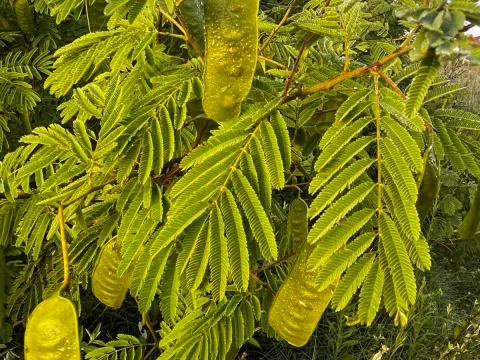
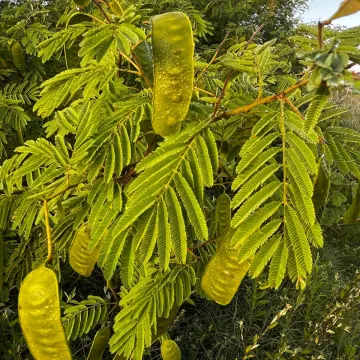
Botanically, the species is defined by its bipinnate leaves and hooked thorns, which serve as protective mechanisms and structural support. It produces yellow-white inflorescences, followed by flat, leathery pods containing resilient seeds. The plant’s ability to establish deep, extensive root systems is a key biological adaptation that allows it to access groundwater during prolonged dry spells.
Agronomic requirements include well-drained, porous soils; the plant performs poorly in compacted or waterlogged ground. It demands full sun exposure to maintain optimal vegetative growth and flowering intensity. In terms of maintenance, periodic pruning is essential to manage its vigorous, often climbing, growth habit and to prevent it from becoming invasive in managed landscapes.
The primary хозяйственные applications of Senegalia bonariensis are:
- Establishment of dense, thorn-protected living fences.
- Biological nitrogen fixation to improve soil fertility in agroforestry systems.
- Windbreak formation to mitigate soil erosion in semi-arid regions.
- Potential use in local traditional industries due to specific chemical compounds in its tissues.
Pest management for this species focuses on controlling common sap-sucking insects like aphids, scales, and mites, which can weaken young plants. Pathogens, primarily fungi causing root rot, are typically associated with poor drainage and excessive moisture management. Standard agronomic practice for Senegalia bonariensis necessitates diligent soil moisture monitoring and regular inspection for early signs of infection.
Photo gallery