Senegalia burkei
Senegalia burkei
Description
Senegalia burkei, formerly classified as Acacia burkei, is a notable species of tree belonging to the Fabaceae family. Native to the southern regions of Africa, this plant is well-regarded for its resilience in harsh climates, serving both ecological and commercial purposes within its indigenous habitat.
The geographical origin of Senegalia burkei is centered in the savannahs and open woodlands of countries like Botswana, Zimbabwe, and South Africa. It thrives in diverse soil types, ranging from nutrient-poor sandy flats to rocky outcrops, demonstrating a high degree of evolutionary adaptation to water scarcity and intense solar radiation.
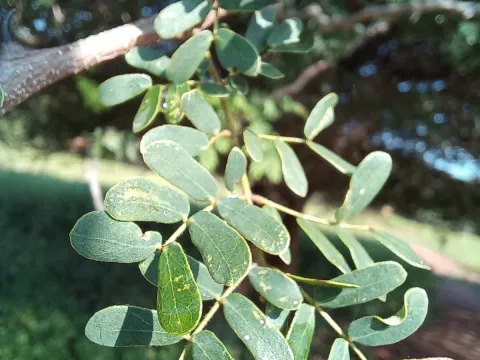
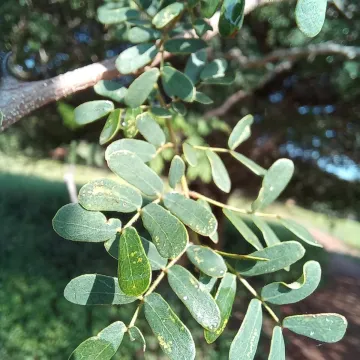
Botanically, it is a deciduous tree that can reach significant heights, often displaying a broad, spreading canopy. Its foliage consists of bipinnate leaves that provide light shade. The tree is characterized by spikes of fragrant, cream-colored flowers that develop into woody, flattened pods containing seeds, which is a hallmark of the genus's reproductive strategy.
Agronomic requirements for cultivating this species prioritize excellent soil drainage, as the root system is susceptible to decay in waterlogged conditions. It requires full sunlight to maintain a healthy growth rate and structural integrity. For propagation, seeds often need scarification or hot water treatment to break dormancy and ensure consistent germination in a nursery setting.
The economic and practical utilization of Senegalia burkei includes several essential sectors:
- Production of high-density timber, valued for construction and fine woodworking.
- Implementation in reforestation projects to combat land degradation in arid areas.
- Use in sustainable landscaping and xeriscaping due to its drought tolerance.
- Ecological service as a nitrogen-fixing plant, improving soil fertility for surrounding vegetation.
In terms of plant health, Senegalia burkei is generally hardy, though it may be susceptible to root rot in poorly drained, overly moist environments. Pests such as wood-boring beetles can pose a threat to mature specimens. Maintaining proper stand density and ensuring the site conditions match the species' natural preference are the most effective strategies for preventing infestations and disease outbreaks.
Photo gallery