
Shamel ash
Fraxinus uhdei (Wenz.) Lingelsh.
Description
The Shamel ash (Fraxinus uhdei), also known as the Mexican ash, is a robust, fast-growing deciduous tree belonging to the Oleaceae family. It is a highly regarded species in forestry and landscape architecture due to its rapid growth rate, which allows it to provide significant shade and biomass in relatively short periods of time.
Native to the high-altitude regions of Mexico and Central America, this tree is well-adapted to subtropical and tropical environments. It thrives in regions with moderate temperatures and consistent rainfall, although it shows a degree of resilience once established. Its distribution is primarily limited by its sensitivity to prolonged freezing temperatures, making it suitable for mild climates.
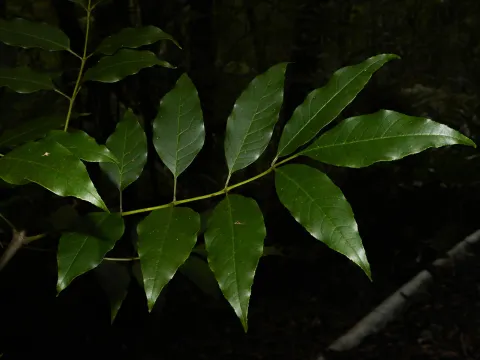
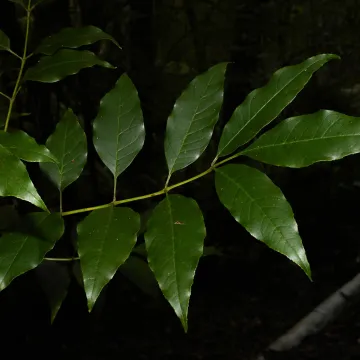
Botanically, the Shamel ash is characterized by its large, compound, odd-pinnate leaves and a canopy that can spread quite wide. The tree typically produces small, wind-pollinated flowers and winged seeds (samaras) that facilitate natural dispersal. Its bark is generally grayish and develops deep, longitudinal fissures as the tree matures.
Cultivation requirements involve selecting deep, well-draining, and nutrient-rich soils. While the Shamel ash is somewhat tolerant of varying soil types, it performs best in moisture-retentive, loamy substrates. Agricultural maintenance should include proper irrigation during the initial establishment phase and periodic structural pruning to ensure the development of a balanced and strong crown.
The tree has significant economic value, with its timber being utilized in high-quality furniture, tool handles, and interior carpentry due to its strength and elasticity. For successful management, growers must monitor for common pests such as borers and scales, alongside fungal leaf spot diseases.
- Implement proper crown thinning to enhance air circulation.
- Monitor for early signs of infestation to minimize chemical interventions.
- Apply balanced organic fertilizers to sustain rapid growth.
Photo gallery