
Description
Clary sage (Salvia sclarea L.) is a prominent essential oil crop belonging to the Lamiaceae family. It is typically managed as a biennial plant in agricultural practice, prized for its large, aromatic leaves and inflorescences. The plant is widely recognized for the production of clary sage oil, which is a significant commodity in the global flavoring and fragrance market.
Originating from the Mediterranean Basin and Central Asia, the plant has adapted well to temperate climates across the world. It thrives in regions with warm, sunny summers and well-drained soils. While it exhibits good drought tolerance once established, it requires specific moisture conditions during the early stages of its development to ensure a robust crop stand.
Botanically, Clary sage features broad, hairy leaves and tall, branching flower spikes. The plant requires soils that are deep, permeable, and rich in nutrients, with a neutral to slightly alkaline pH. It is highly sensitive to waterlogging, which can lead to root rot; therefore, selecting fields with appropriate topography and soil structure is essential for professional production.
Agronomic management involves precision seeding, effective weed control, and systematic nutrient application. Harvest timing is critical; it occurs during the peak flowering phase to maximize the yield of essential oil. Proper rotation is advised to maintain soil health and prevent the buildup of soil-borne pathogens or specific insect populations that target this crop.
The primary economic value lies in the extraction of essential oil used in perfumery, cosmetics, and the beverage industry. Agronomists monitor the crop closely for potential damage caused by pests, including:
- Cabbage white butterflies and meadow moths
- Pyralid moths and gall midges
- Lucerne seed chalcid
- Hemp flea beetles
- Striped weevils and bud weevils
Content graph
Crop pests · 15
Контент-граф
Connections · Clary sage
Most often together:
Marketplace
Products · 6

Diazol 60
Mactheshim Chemical Works Ltd.
Insecticides, Acaricides
0
0
·
2.9K
3 offers
6.7 €за 1 л
Купить


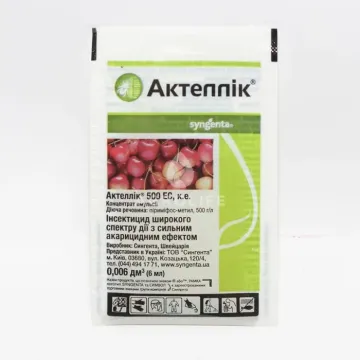
Actellic 500 EC
Фірма Кемінова А/С, Данія
Insecticides, Acaricides
0
0
·
80
5 offers
35 €за 1 л
Купить

DIAZINON C.E.
Nippon Kayaku Co., Ltd.
Insecticides, Acaricides
0
0
·
57
4 offers
11.7 €за 1 л
Купить

Diazol 60 EC
F. Macteshim Chemical Works, LLC
Insecticides, Acaricides
0
0
·
41
1 offer
13.4 €за 1 л
Купить