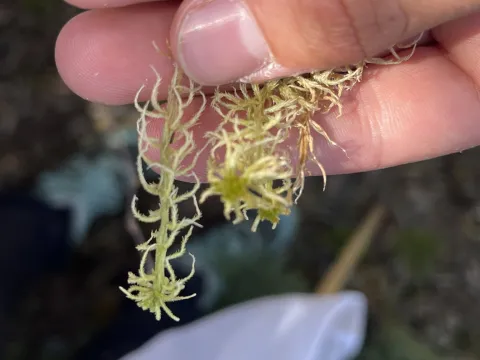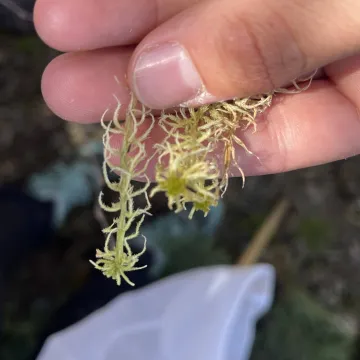
Sphagnum angustifolium
Sphagnum angustifolium
Description
Sphagnum angustifolium is a perennial peat moss species belonging to the Sphagnaceae family. In agronomy, this species is highly valued for its exceptional water-holding capacity and its ability to create acidic environments, making it a critical component of professional horticultural substrates and moisture-retaining soil amendments.
Originating from temperate and subarctic regions of the Northern Hemisphere, this species is naturally found in oligotrophic bogs and wetlands. Commercial cultivation of Sphagnum angustifolium requires carefully controlled wetland conditions, often referred to as paludiculture, which aim to restore or maintain bog ecosystems while producing sustainable moss biomass for industrial use.
Botanically, it is characterized by its slender, pale-green to yellowish stems and distinctively narrow stem leaves. The plant grows in dense carpets that act as a sponge. Lacking true roots, it relies on capillary action to transport water upwards through its porous structure, allowing it to remain hydrated even when the surface water table fluctuates slightly.
Agronomic requirements for successful cultivation include an acidic pH level (typically between 3.0 and 4.5) and a consistent water supply. Soil must be nutrient-poor, as the species is highly sensitive to nitrogen and phosphorus overload. Propagation is usually achieved through vegetative fragment dispersal, ensuring that the moss fragments are placed on moist, shaded beds to prevent desiccation.
- Enhancing water retention in potting mixes and nursery soils.
- Providing an antiseptic rooting medium for cuttings and seedlings.
- Acting as a protective mulch to prevent soil surface evaporation.
- Serving as a base for orchids and carnivorous plant cultivation.
The plant is naturally resistant to most pests due to the presence of secondary metabolites such as sphagnol, which inhibits bacterial and fungal growth. However, in enclosed or poorly ventilated cultivation settings, "damping-off" caused by competitive algae or mold can occur. Success in farming Sphagnum angustifolium depends on strict control of the hydro-period and excluding invasive vascular plant species.
Photo gallery