

Description
Timothy grass (Phleum pratense L.) is a perennial grass species belonging to the family Poaceae. It is widely recognized as a premier forage grass, essential for cattle and equine nutrition due to its high digestibility and balanced nutritional content when harvested at the right growth stage.
Originating from Europe and temperate parts of Asia, this plant has been successfully naturalized in North America and many other regions worldwide. It is highly valued for its cold tolerance and productivity in cool, humid climates, thriving in areas where other forage grasses might struggle during winter months.
Botanically, Timothy grass is characterized by its bunch-type growth habit and its distinctive inflorescence, which is a cylindrical, spike-like panicle. The root system is relatively shallow compared to some legumes but is highly efficient at extracting nutrients from moist, loamy soils, supporting a dense sward formation.
Agronomic requirements for Timothy grass focus on soil moisture and fertility. It performs best on neutral to slightly acidic soils with high water-holding capacity. Effective cultivation involves shallow seeding, as the seeds are quite small, followed by light rolling to ensure good soil-to-seed contact. Nitrogen fertilization is critical for maintaining high yields over multiple seasons.
The primary use of this crop is for high-quality hay production and as a permanent pasture component in mixtures with legumes like red clover. Farmers must monitor for common pests such as the Timothy fly or various types of weevils (like the pea leaf weevil) to prevent stand degradation. Proper management, including avoiding overgrazing, ensures the longevity of the stand, which can remain productive for many years.
Content graph
Crop pests · 14
Контент-граф
Connections · Timothy grass
Most often together:
Marketplace
Products · 17


Diazol 60
Mactheshim Chemical Works Ltd.
Insecticides, Acaricides
0
0
·
2.9K
3 offers
6.7 €за 1 л
Купить


Barkley Gallap 360
рклей Кемікаоз Лтд, м.Дублін Ірландія
Herbicides, Desiccants
0
0
·
891
7 offers
7.8 €за 1 л
Купить

DIAZINON C.E.
Nippon Kayaku Co., Ltd.
Insecticides, Acaricides
0
0
·
57
4 offers
11.7 €за 1 л
Купить



Diazol 60 EC
F. Macteshim Chemical Works, LLC
Insecticides, Acaricides
0
0
·
41
1 offer
13.4 €за 1 л
Купить


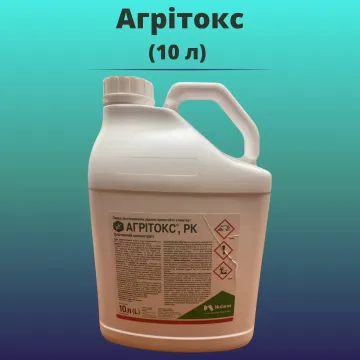
AGROTEX, RK (2-methyl-4-chlorophenoxyacetic acid in the form of dimethyl
Nufarm
Herbicides, Desiccants
0
0
·
21
1 offer
0.9 €за 1 л
Купить
