

Description
Puccinia crandallii is a fungal pathogen belonging to the Basidiomycota phylum, specifically recognized for causing rust disease in various fescue grass species. As an obligate parasite, it relies exclusively on its host to complete its lifecycle, which typically involves multiple spore stages characteristic of rust fungi.
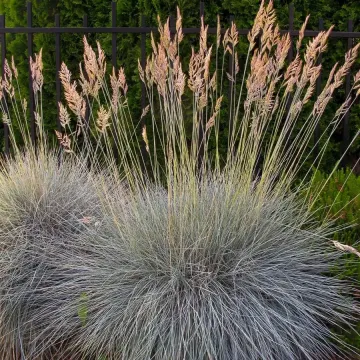
The disease primarily targets species within the Festuca genus, such as Festuca idahoensis. While it is often studied in the context of wild grasses and native rangelands, it can occasionally impact forage production areas or turfgrass environments, leading to reduced photosynthetic efficiency and biomass loss.
Symptoms of the infection typically manifest as yellow to orange uredinia, or pustules, that develop on the leaf blades and stems. These structures contain thousands of urediniospores, which eventually erupt through the plant epidermis. Heavily infected plants may show signs of chlorosis, leaf tip dieback, and significant stunting of overall growth.
Environmental conditions play a decisive role in the spread of Puccinia crandallii. High relative humidity, persistent morning dew, and mild temperatures are conducive to spore germination and colonization. Wind dispersal of spores allows the pathogen to spread rapidly across large areas, particularly in dense stands where air circulation is limited.
Integrated pest management (IPM) is the most effective strategy for mitigating damage. This includes selecting resistant grass cultivars whenever possible, managing nitrogen fertilizer levels to prevent excessive vegetative growth, and improving drainage to reduce humidity at the plant canopy level. In severe cases, systemic fungicides are employed to interrupt the infection cycle and protect the crop's health.
Контент-граф
Connections · Fescue rust
Most often together:
Marketplace
Products · 49







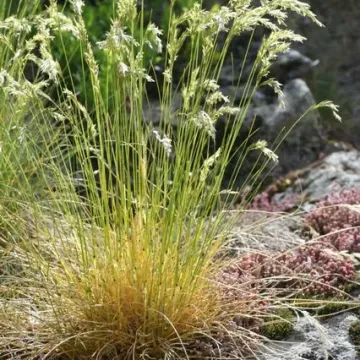


SVERDLOVSKAYA
Ural Federal University named after B.N. Yeltsin
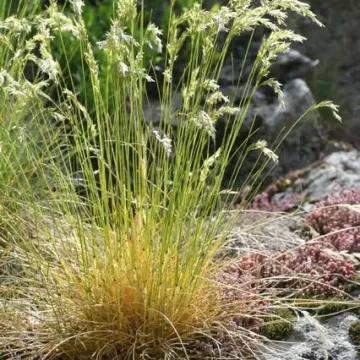
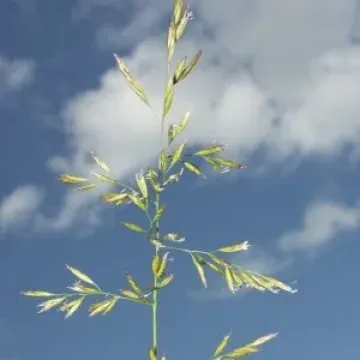
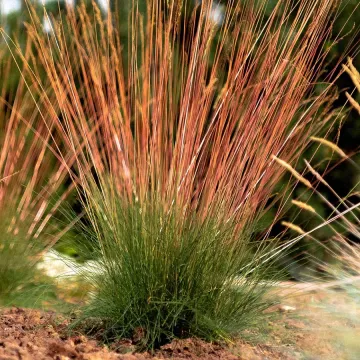
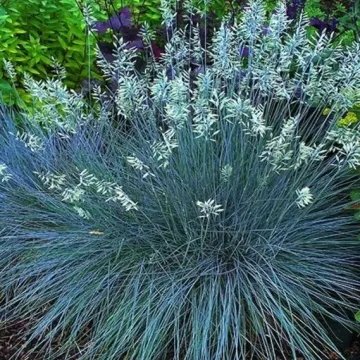
Fescue
0
0
·
27
1 offer
1.72 €
Купить








Community
Discussion
No discussions yet — be the first.