
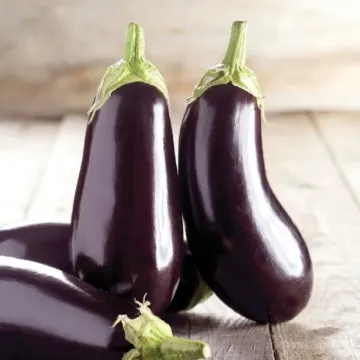
Description
Stolbur is a destructive plant disease caused by phytoplasmas known as Candidatus Phytoplasma solani. This systemic infection severely disrupts plant development, leading to significant economic losses in agriculture by rendering crops unproductive and non-marketable.
The disease affects a wide range of botanical families, with solanaceous crops like tomatoes, potatoes, peppers, and eggplants being the most susceptible. Furthermore, many perennial weeds such as field bindweed act as asymptomatic reservoirs, harboring the pathogen in their root systems during winter months.
Symptoms are distinct and often irreversible. Infected plants exhibit chlorosis (yellowing), curling, and stunted growth of apical leaves. Flowers frequently show signs of virescence (turning green) or phyllody (leaf-like transformation), leading to complete sterility. Fruit set is usually poor, and produced fruits are woody, deformed, and lack quality.
Transmission occurs primarily through the feeding activities of polyphagous insect vectors, specifically planthoppers like Hyalesthes obsoletus. These insects acquire the phytoplasma by feeding on infected weeds or crops and transmit it to healthy plants. Hot, arid climates significantly accelerate the population growth of these vectors and the subsequent spread of the disease.
Integrated management is essential to mitigate the impact of stolbur. Growers should prioritize the eradication of host weeds, particularly in field margins, and apply strategic insecticide treatments to manage vector populations during peak migration periods. Additionally, employing physical barriers like insect-proof netting, selecting resistant cultivars, and maintaining healthy soil nutrition helps maintain crop vigor against the pathogen.
Контент-граф
Connections · Stolbur
Most often together:
Marketplace
Products · 16




Community
Discussion
No discussions yet — be the first.