

Description
Ramularia leaf spot is a prevalent fungal disease affecting various crops, caused by species within the Ramularia genus. As an opportunistic pathogen, it creates necrotic lesions on leaves, severely impacting the physiological functions of the plant during its active growth phases.
The disease frequently attacks major crops such as barley and sugar beet. It survives in infected crop residues and soil, often emerging when environmental conditions become conducive for fungal spore production and dispersal, posing a continuous threat to agricultural productivity.
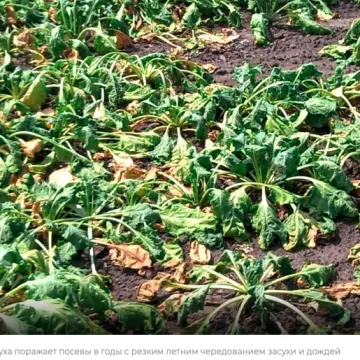
Clinical symptoms include small, rectangular or irregular dark brown spots often surrounded by chlorotic halos. In severe infestations, these lesions coalesce, leading to rapid leaf senescence, which prevents the plant from maximizing its photosynthetic potential and grain filling.
Moisture is the primary driver of infection, with high relative humidity and leaf wetness being critical for spore germination. The fungus spreads rapidly via wind-borne conidia, allowing the disease to transition from isolated patches to a field-wide epidemic within a few weeks of favorable weather.
Managing Ramularia requires a combination of prophylactic and curative strategies. Farmers should prioritize crop rotation, remove susceptible debris, and utilize fungicide programs that target the pathogen before the canopy closes to minimize yield losses and ensure consistent crop quality.
- Implementation of appropriate crop rotation cycles.
- Selection of resistant or tolerant cultivars.
- Deep plowing to bury infected plant residues.
- Targeted application of fungicides at early stages of disease development.
Контент-граф
Connections · Ramularia leaf spot
Most often together:
Marketplace
Products · 181














Flupact
«Шаньдунська хімічна компанія Чіачан» , Китай.
Fungicides
0
0
·
37
6 offers
12.3 €за 1 л
Купить




Community
Discussion
No discussions yet — be the first.