
Disease
Especially harmful
Rhynchosporium scald
Rhynchosporium spp.
Description
Rhynchosporium scald, caused by the fungus Rhynchosporium secalis, is a major fungal disease affecting small grain cereals, particularly barley and rye. It is a worldwide problem in temperate regions, frequently causing significant yield losses by reducing the photosynthetic capacity of the plant leaves.
The pathogen primarily infects the leaf blades and sheaths, although in severe cases, it can spread to the stem and ear parts. The disease is most damaging during the early growth stages of the crop, especially when cool and wet weather conditions persist for an extended period.
Symptoms are distinct and easily identifiable: they appear as water-soaked, grey-green lesions that rapidly expand into characteristic oval or lens-shaped spots. As the lesions age, the center turns pale grey or white, bordered by a dark brown or blackish margin, which often creates a mottled appearance on the leaf surface.
The fungus survives on infected crop debris, volunteer plants, and contaminated seed. During the growing season, conidia are dispersed by rain splashes and wind. Optimal conditions for disease development include high humidity, leaf wetness, and temperatures between 15°C and 20°C, which favor the spread of the pathogen.
Effective management strategies are essential to minimize economic impact. These include:
- planting resistant or tolerant cereal cultivars;
- utilizing crop rotation to break the life cycle of the pathogen;
- managing crop residues through tillage;
- applying registered fungicides, such as triazoles or SDHIs, when weather conditions favor outbreaks.
Контент-граф
Connections · Rhynchosporium scald
Most often together:
Nutrient elements
1 связь
Marketplace
Products · 497
All 497
Fungicides 280
Barley 131
Rye 67
Herbicides, Desiccants 6
Plant Growth Regulator 4
Wheat 4
Rapeseed 1
Soybean 1
Ryegrass 1
Fescue 1
Corn 1

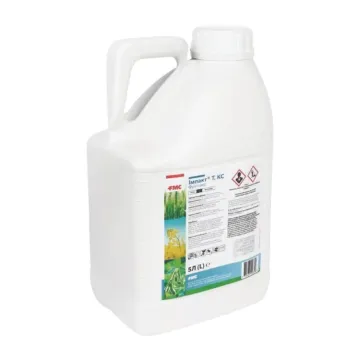
Kolosal Pro
ЗАТ Фірма Август, Росія.,селище Вурнари,
Fungicides
1
1
·
5.2K
13 offers
0.2 €за 1 л
Купить




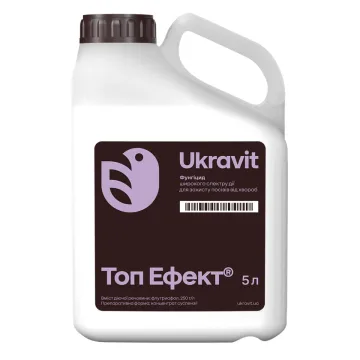
Top Effect
«Нанджин Ессенс Файн-Кемікал Ко. Лтд» (Китай)
Fungicides
0
0
·
1.7K
7 offers
8.9 €за 1 л
Купить


Doctor Crop
Jiangsu Agricoem Laboratory Co., Ltd.
Fungicides
0
0
·
1.6K
19 offers
5.6 €за 1 л
Купить

Bumper Super 490
F. Macteshim Chemical Works, LLC
Fungicides
0
0
·
1.5K
7 offers
15.4 €за 1 л
Купить

Arbalet
Хімічні заводи «Органіка-Сажина»С.А., Нова Сажина, Польща
Fungicides
0
0
·
1.4K
4 offers
16 €за 1 л
Купить


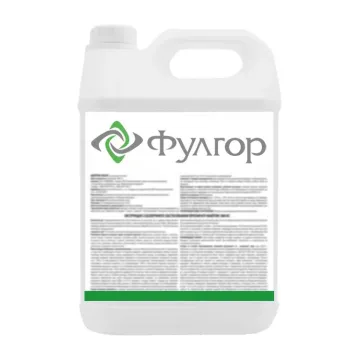
Fulgor 250
Фадер Альянс Лтд., Великобританія (Fader Alliance Ltd., England) на заводах Нідерландів, Польщі
Fungicides
0
0
·
1.1K
5 offers
0.6 €за 1 л
Купить

Sargon 250
Три Дельта Компані Інтернешнл, Гонконг, Китай.
Fungicides
0
0
·
1.1K
4 offers
10.8 €за 1 л
Купить

Astar 125 EC
Yangzhou Pioneer Chemical Co., Ltd.
Herbicides, Desiccants
0
0
·
1K
15 offers
6.6 €за 1 л
Купить


Impal
Три Дельта Компані Інтернешнл, Гонконг, Китай.
Fungicides
0
0
·
974
5 offers
10.3 €за 1 л
Купить




Pilartep
Піларквім (Шанхай) Ко., Лтд. (Pilarquim (Shanghai) Co, LTD), Шанхай, Китай
Fungicides
0
0
·
67
1 offer
24.9 €за 1 л
Купить




Community
Discussion
No discussions yet — be the first.