
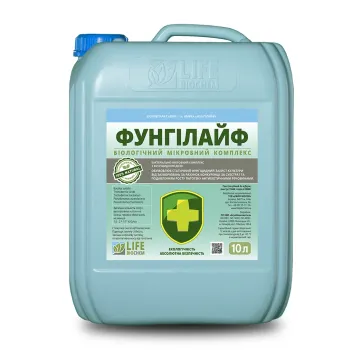
Description
Bacterial plant diseases are infectious conditions caused by phytopathogenic bacteria that colonize and damage plant tissues. Unlike fungal pathogens, these bacteria reproduce rapidly through binary fission, often causing sudden wilting or tissue maceration. Their ability to survive in diverse environments makes them a significant challenge for modern agriculture.
A vast range of crops is susceptible, including major vegetables like tomatoes and potatoes, pome fruits, and essential grain crops. These pathogens can attack different parts of the plant, including the vascular system, roots, stems, leaves, and fruits, leading to systemic infections that are difficult to treat once established.
Diagnostic symptoms include water-soaked spots, localized necrotic lesions with yellow halos, soft rot, wilting of leaves, and the formation of bacterial oozes under humid conditions. In many cases, the plant's vascular bundles become discolored or clogged with bacterial slime, which cuts off water supply and leads to rapid death.
Environmental conditions play a critical role in the outbreak of bacterial diseases. High humidity, warm temperatures, and splashing water are the primary factors that facilitate the transmission of bacteria from plant to plant. Furthermore, vectors such as aphids, beetles, and leafhoppers frequently transport these pathogens during feeding.
Managing bacterial diseases requires an integrated management approach because curative chemical treatments are often ineffective. Key practices include:
- Utilizing resistant plant varieties and disease-free seeds.
- Sanitation, including the removal and destruction of infected plant debris.
- Proper crop rotation to break the pathogen's lifecycle.
- Controlled irrigation methods to minimize leaf wetness.
- Strategic use of copper-based bactericides for preventative treatment.
Контент-граф
Connections · Bacterial diseases
Most often together:
Marketplace
Products · 18


Organic-Balance
TRADE HOUSE "BTU-Center", LLC
Plant Growth Regulator
0
0
·
46
3 offers
7.6 €за 1 л
Купить
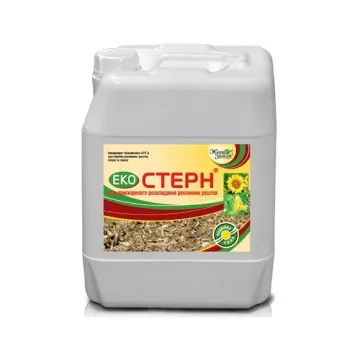

BIOCOMPLEXAT
Agroenergetic Technologies, LLC NVP
Plant Growth Regulator
0
0
·
44
1 offer
7.5 €за 1 л
Купить


Bio-complex «Satex»
Trading House "SAtek", LLC
Plant Growth Regulator
0
0
·
42
1 offer
76.2 €за 1 л
Купить
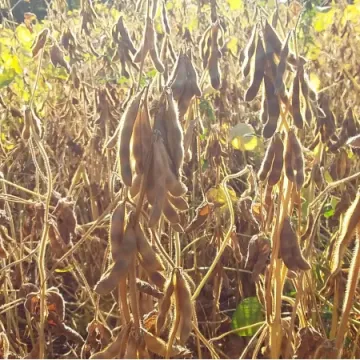
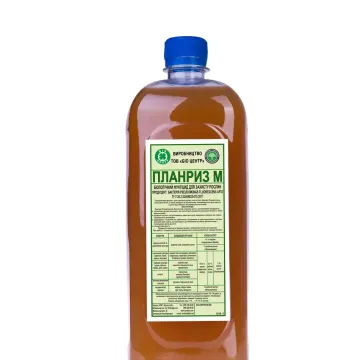
Microbiological fungicide Planoriz VL, v.s., biological preparation
Fungicides
0
0
·
30
1 offer
3 €за 1 л
Купить



Nitro Zlak
ТОВ «Сільськогосподарське підприємство «Нива», Україна
Biological Products
0
0
·
44
No offers
—
Details
Community
Discussion
No discussions yet — be the first.