

Description
Calcium (CaO) acts as a vital secondary macronutrient essential for the structural integrity of plants. It is a fundamental component of the middle lamella in cell walls, providing stability and structural support. Calcium is indispensable for cell elongation and division, making it critical for the healthy development of root tips and terminal buds.
Beyond structural roles, calcium serves as a crucial signaling agent within plant cells, helping them respond to environmental stimuli. It regulates membrane permeability and helps to counteract the toxicity of organic acids produced during normal metabolic processes. Furthermore, adequate calcium levels significantly enhance a plant's ability to tolerate environmental stresses like heat, cold, and salinity.
Deficiency symptoms of calcium typically appear on younger tissues because the element is relatively immobile within the plant. Common signs include the deformation and death of growing points, tip burn on young leaves, and stunted root systems. In fruits and vegetables, calcium deficiency is famously associated with physiological disorders such as blossom-end rot in tomatoes and bitter pit in apples.
Excessive calcium is usually related to high soil pH or over-liming, which can trigger antagonistic interactions with other nutrients. An overabundance of calcium often restricts the uptake of potassium, magnesium, and various micronutrients like boron and iron. This imbalance leads to chlorosis and impaired growth, as the plant cannot absorb the necessary nutrients despite their presence in the soil.
Managing calcium levels effectively involves choosing appropriate fertilizers based on the specific crop and soil conditions:
- Calcium Nitrate — a highly available, water-soluble nitrogen and calcium source.
- Gypsum (Calcium Sulfate) — excellent for improving soil structure without altering pH.
- Lime (Calcium Carbonate/Dolomite) — standard for raising pH in acidic soils.
- Chelated Calcium — optimized for rapid foliar application to prevent deficiency.
The application of calcium requires strategic planning due to its slow movement from the roots to the transpirational sinks (fruits and leaves). Maintaining consistent soil moisture is essential for continuous calcium uptake through transpiration. In intensive farming, regular foliar applications during the fruit expansion stage are a standard practice to ensure high fruit quality and extended post-harvest storage life.
Контент-граф
Connections · Calcium
Most often together:
Marketplace
Products · 403
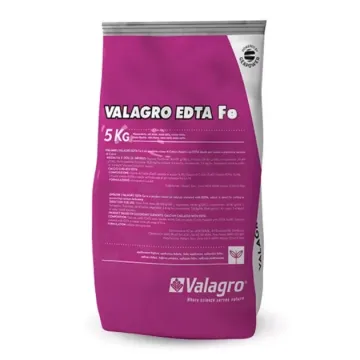

Vuksal Suspension, s.
«Аглюкон ГмбХ&Ко.Кг», Німеччина
Fertilizers
3
0
·
2.8K
6 offers
12 €за 1 кг
Купить


Organic Fertilizers "Biohumus. Mixtures based on biohumus", kg.
Hermes Agrofirm LLC
Fertilizers
0
0
·
1.8K
2 offers
0.3 €за 1 кг
Купить


Calcium-ammonium nitrate, grades A and B, kg
ПАТ «РІВНЕАЗОТ», Україна
Fertilizers
0
0
·
1.6K
4 offers
0.5 €за 1 кг
Купить
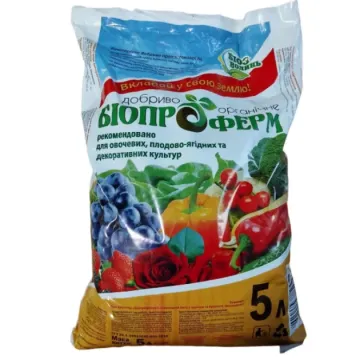


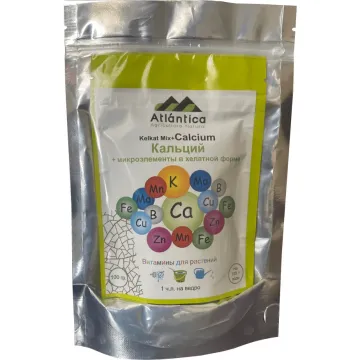


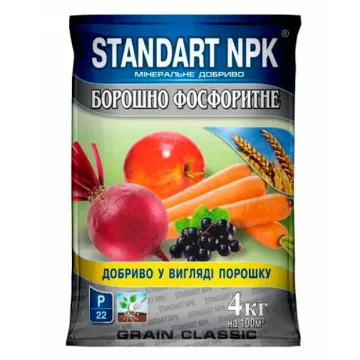

Phosphorite flour from the Yegoryevskoye phosphorite deposit, granular
Sumsky NDI "Mindiip"
Fertilizers
0
0
·
648
2 offers
0.1 €за 1 кг
Купить
Phosphorite flour potassium-magnesium granulated, kg
Sumsky NDI "Mindiip"
Fertilizers
0
0
·
633
1 offer
1.5 €за 1 кг
Купить
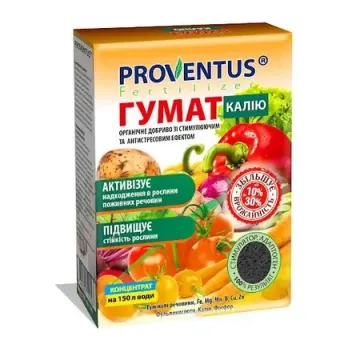
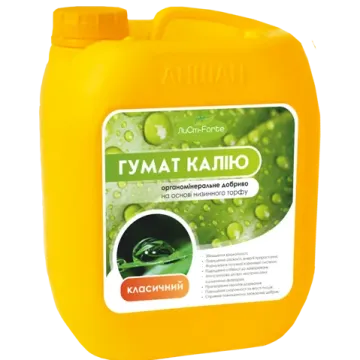
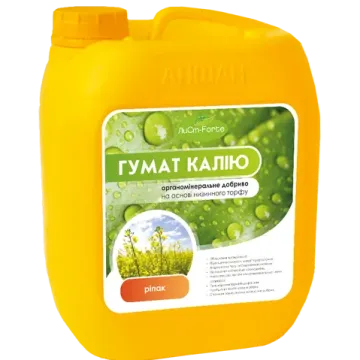
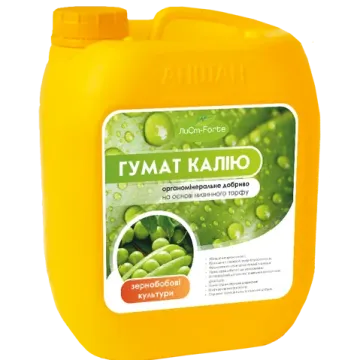
KALIUM GLUONATE FOR GRAIN AND LEGUME CROPS
LiSt-Forte
Fertilizers
1
0
·
352
2 offers
3.5 €за 1 кг
Купить


Streamer
Приватне підприємство «ПРОМБУДКОМПЛЕКТ», Україна
Fertilizers
0
0
·
90
2 offers
20.2 €за 1 кг
Купить


Folic
ТОВ «Агрii Польща» (Agrii Polska SP. Z O.O.), Польща
Fertilizers
0
0
·
78
15 offers
5 €за 1 кг
Купить
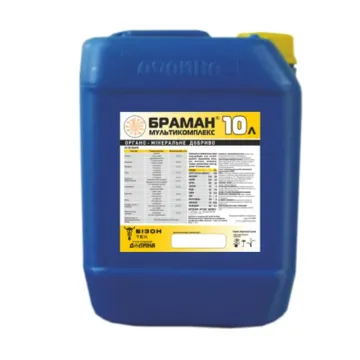


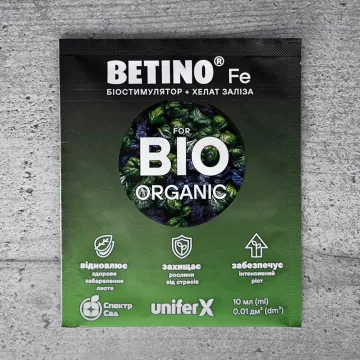
BETINO (Boron, Fe, Ca, Micro, VeganX Ca, VeganX, Zn pH)
Uniferix, LLC
Fertilizers
0
0
·
65
1 offer
62.5 €за 1 кг
Купить

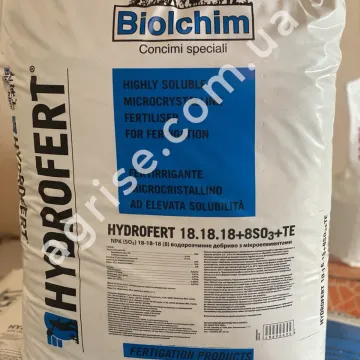

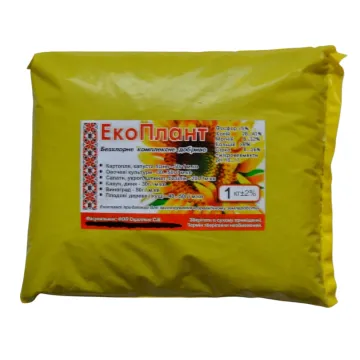


PHOSPHO-GIPS FOR AGRICULTURE
ПАТ «РІВНЕАЗОТ», Україна
Fertilizers
0
0
·
61
4 offers
0.2 €за 1 кг
Купить

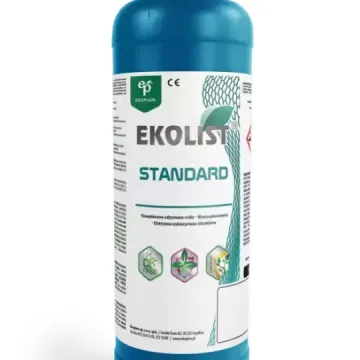
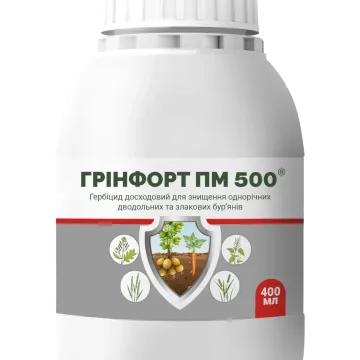

Makosh (Makosh)
Компанія «Лювена», Польща (LUVENA S.A.)
Fertilizers
0
0
·
59
16 offers
0.1 €за 1 кг
Купить
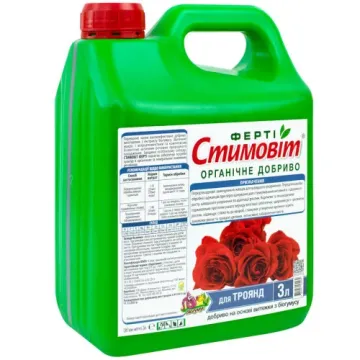
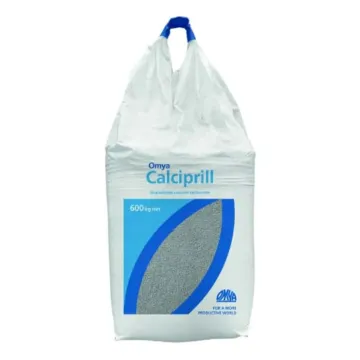




Complex Fertilizers «Argumin® (Argumin®)
SCIENTIFIC-PRODUCTION COMPANY «EUROAGROGROUP»
Fertilizers
0
0
·
57
3 offers
1 €за 1 кг
Купить

Vap-Mag
ТОВ«Хімічне підприємство «Сяркополь», Польща
Fertilizers
0
0
·
56
4 offers
0.5 €за 1 кг
Купить
