Description
Molybdenum (Mo) is a crucial micronutrient required in trace amounts for optimal plant physiology. It serves as a central component of several essential enzymes, most notably nitrate reductase, which is responsible for reducing nitrate to nitrite, and nitrogenase, which enables atmospheric nitrogen fixation in leguminous plants.
The role of molybdenum in nitrogen fixation cannot be overstated, particularly for pulses and forage legumes. Without adequate levels of this element, the symbiotic relationship between plant roots and rhizobia bacteria is severely restricted, leading to poor nitrogen conversion and reduced overall crop vigor and yield potential.
Deficiency symptoms typically manifest as interveinal chlorosis, which often mimics nitrogen deficiency. However, unlike nitrogen, molybdenum deficiency frequently affects older leaves first, causing them to yellow, curl, and eventually necrotize at the margins. This condition is significantly more prevalent in acidic soil environments where the element becomes chemically bound and unavailable.
Toxicity from molybdenum is rare in typical agricultural settings, but an overabundance of the element can disrupt the uptake of copper in plants. Maintaining soil pH within the optimal range (near neutral) is the primary management strategy, as it ensures the natural bioavailability of molybdenum and prevents the need for excessive chemical inputs.
Agricultural applications typically involve sodium or ammonium molybdates. These compounds are commonly delivered via:
- Seed dressing treatments for legumes;
- Foliar spray applications during active growth stages;
- Fertigation in high-value cropping systems.
Контент-граф
Connections · Molybdenum
Most often together:
Marketplace
Products · 600

Vuksal Suspension, s.
«Аглюкон ГмбХ&Ко.Кг», Німеччина
Fertilizers
3
0
·
2.8K
6 offers
12 €за 1 кг
Купить


Fertigrain Foliar / Fertigrain
AgriTecno Fertilizantes SL, Spain
Fertilizers
2
1
·
1.7K
6 offers
15.4 €за 1 кг
Купить

Grongrin NPK, 20-20-20 + TE, cr.p.
Bio Plus Agro, LLC
Fertilizers
1
0
·
1.6K
8 offers
3.8 €за 1 кг
Купить







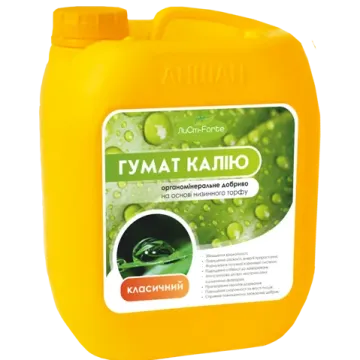
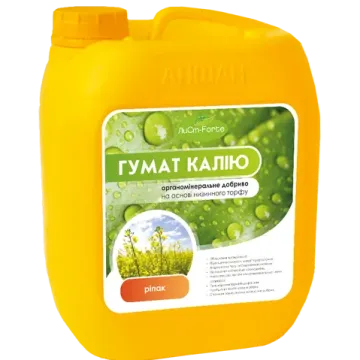
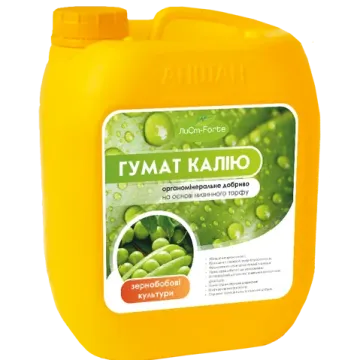
KALIUM GLUONATE FOR GRAIN AND LEGUME CROPS
LiSt-Forte
Fertilizers
1
0
·
352
2 offers
3.5 €за 1 кг
Купить
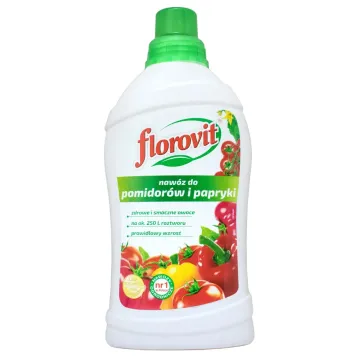
LIQUID FERTILIZER FLOROVIT
GRUPA INCO S.A., Poland
Fertilizers
0
0
·
118
9 offers
2.9 €за 1 кг
Купить
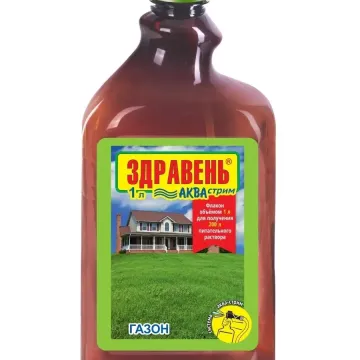
Streamer
Приватне підприємство «ПРОМБУДКОМПЛЕКТ», Україна
Fertilizers
0
0
·
90
2 offers
20.2 €за 1 кг
Купить

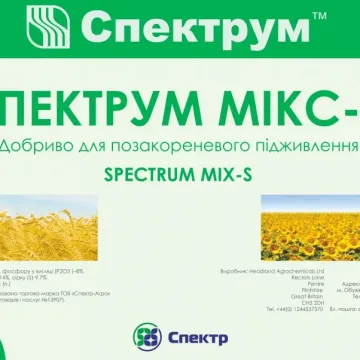
Spectrum Mix-C
«Headland Agrochemicals Ltd», Англія
Fertilizers
0
0
·
83
1 offer
0.1 €за 1 кг
Купить

Folic
ТОВ «Агрii Польща» (Agrii Polska SP. Z O.O.), Польща
Fertilizers
0
0
·
78
15 offers
5 €за 1 кг
Купить

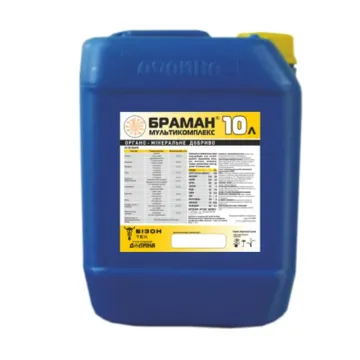


STIMAX
ТОВ «КВІМІКАС МЕРІСТЕМ» (QUÍMICAS MERISTEM, S.L.), Іспанія
Fertilizers
0
0
·
68
7 offers
22.7 €за 1 кг
Купить

IKAR (IKAR)
ЗАТ «ІКАРАІ» (“IKARAI”), Литовська Республіка
Fertilizers
0
0
·
67
5 offers
6.1 €за 1 кг
Купить
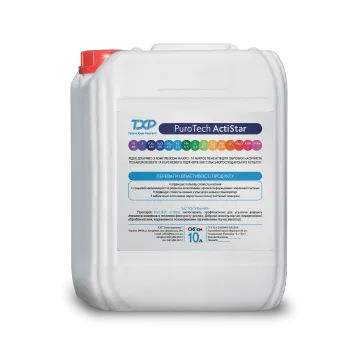


GREEN HAS (MAROK HASCON M10AD, CREEPER)
GREEN HAS ITALIA S.p.A., Італія
Fertilizers
0
0
·
66
3 offers
11.9 €за 1 кг
Купить



Rexolin APN
Акзо Нобел Фанкшнл Кемікалс б.в., Нідерланди
Fertilizers
0
0
·
64
3 offers
53.8 €за 1 кг
Купить