


SKU #32629
·
35 views
P0710
Corn
CortevaUser rating
0 votes0% positive reviews
No ratings yet — be the first.
FAO
90–1240
Ripening
160-180 days
Hybrid Type
Simple Hybrid
Kernel Type
Dent
Prices in stores
from0.8 €per 1000 pcs
4 offers from 4 stores
About product

A high-performance dent grain hybrid from Corteva, specifically engineered for efficiency in the alcohol production industry.
FAO
90–1240
Ripening
160-180 days
Hybrid Type
Simple Hybrid
Kernel Type
Dent
Description
Maximizing Yield in Late-Season Hybrids: The Case of P0710
In the world of industrial corn production, selecting a hybrid that maximizes biomass and starch accumulation is paramount. The P0710 hybrid from Corteva is a specialized solution designed for producers who prioritize high-intensity grain production and industrial-grade outputs, specifically for the alcohol production sector.
Key Agronomic Traits
P0710 is a single-cross hybrid with a dent grain type, known for its high starch content. With a maturation cycle of 160–180 days (FAO 240 range), this hybrid is built to capitalize on extended growing seasons. Unlike early-maturing varieties, P0710 stays green longer, allowing for prolonged photosynthesis and maximum dry matter accumulation.
- Disease Resistance: A major advantage of this hybrid is its robust genetic profile, providing inherent resistance to common smut and head smut. It also demonstrates high tolerance to Helminthosporium, a common fungal disease that can severely impact yield in late-season corn.
- Industrial Utility: The dent grain structure is specifically tailored to meet the requirements of the alcohol industry, offering optimal fermentation efficiency.
Optimizing Plant Density
To ensure maximum return on investment, planting density must be managed according to the local moisture availability:
- High moisture conditions: The recommended population density is 60,000–65,000 plants/ha to fully utilize soil resources.
- Low moisture/dryland conditions: Density should be scaled back to 55,000–60,000 plants/ha to reduce competition and ensure every plant reaches its productive potential.
Strategic Fit
P0710 is best suited for professional farmers operating in regions with long, frost-free growing seasons. Its strength lies in its consistency and specialized grain quality. However, its significant length of maturity is also its primary limitation—it is not suitable for short-season climates, where it may struggle to reach physiological maturity before harvest temperatures drop, leading to excessively high grain moisture at harvest time.
Crop & resistance
Disease resistance
Specifications hover over for a hint about the specification
|
FAO
FAO
Corn hybrids are classified by maturity groups and by the FAO number. All corn hybrids are distributed according to the FAO scale. Under Central European conditions, a difference of 10 FAO units between hybrids results in a 1-2 day difference in their maturity. The higher the FAO... |
90–1240 |
|---|---|
| Ripening | 160-180 days |
| Hybrid Type | |
|
Kernel Type
Kernel Type
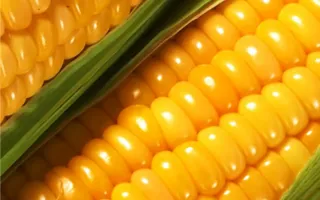
Dent corn (Zea mays indentata) — Large, elongated, flat kernels. The endosperm is horny on the sides of the kernel, mealy in the center and at the top. A depression forms at the top of the kernel upon ripening. Dent corn is the most widely cultivated group among others. Plants ty... |
|
|
Use Direction
Use Direction
Dual-purpose hybrids: for silage and grain in all growing regions. These are "stay-green" type hybrids, meaning the plants remain green for a longer period. However, this does not affect the sugar, cellulose, and hemicellulose content, nor the degree of lignification of the plant... |
|
|
Recommended Density
Recommended Density
Optimal productivity is achieved at a planting density of 4000-5500 plants/ha. Possible planting scheme: 300-500x40-80 cm. |
60-65 thousand pcs/ha, 55-60 thousand pcs/ha |
| Catalog | Catalog → Corn |
| Manufacturer | Corteva |
| Country | USA |
Store offers · 4 from 4 stores
Prices are updated on loadLoading offers…
Aggregator catalog: prices are collected automatically from store websites, normalized by AI and converted at the current exchange rate. Before ordering, confirm the price and availability on the store's website. This block is not indexed by search engines — the data is loaded after the page opens.
See also
Often considered together with this variety


Recently viewed
Similar items in this catalog section






Comments · 0