


SKU #32636
·
28 views
P7515
Corn
PIONEER s.a.User rating
0 votes0% positive reviews
No ratings yet — be the first.
FAO
90–1240
Ripening
90-100 days
Hybrid Type
Simple Hybrid
Kernel Type
Dent
About product

A versatile dent hybrid with a short vegetation cycle for consistent grain and silage yields.
FAO
90–1240
Ripening
90-100 days
Hybrid Type
Simple Hybrid
Kernel Type
Dent
Description
Agronomic Profile of the P7515 Hybrid
This hybrid from Pioneer s.a. represents a high-tech solution for intensive farming, focused on versatility. The engineering behind P7515 balances plant physiology to deliver high yields in both grain production and silage harvesting.
Key Grain and Biomass Characteristics
- Grain Type: Dent. This structure ensures an optimal starch-to-protein ratio, facilitating threshing and increasing the yield of high-quality commercial grain.
- FAO and Vegetation Dynamics: With an FAO maturity rating of 90-1240 and a 90-100 day maturation period, this hybrid is a flexible tool for crop rotation. The short vegetation cycle minimizes risks associated with end-of-season weather stress.
- Hybrid Structure: A simple hybrid, which ensures high uniformity of crops, synchronized maturation, and consistent morphological traits across the field.
Phytopathological Defense
Resistance to pathogens is a critical component of every Pioneer s.a. genetic program. P7515 integrates defense mechanisms against a broad spectrum of fungal diseases:
- Loose and Common Smut: Genetic resistance allows for reduced pesticide application, preventing yield loss from damage to ears and vegetative mass.
- Stalk Smut: Specific focus has been placed on stalk protection, which is essential not only for grain productivity but also for preserving nutritional value during silage production.
Plant Density and Potential Management
To fully realize the hybrid's genetic potential, precise plant density is critical:
- Under moderate moisture or extensive farming conditions, a rate of 55,000-60,000 plants/ha is recommended.
- Under intensive management and adequate water availability, the optimal density is 70,000-75,000 plants/ha.
Correct density management ensures efficient photosynthetic area and nutrient access, which, combined with the dent grain type, results in consistently high productivity.
Crop & resistance
Disease resistance
Specifications hover over for a hint about the specification
|
FAO
FAO
Corn hybrids are classified by maturity groups and by the FAO number. All corn hybrids are distributed according to the FAO scale. Under Central European conditions, a difference of 10 FAO units between hybrids results in a 1-2 day difference in their maturity. The higher the FAO... |
90–1240 |
|---|---|
| Ripening | 90-100 days |
| Hybrid Type | |
|
Kernel Type
Kernel Type
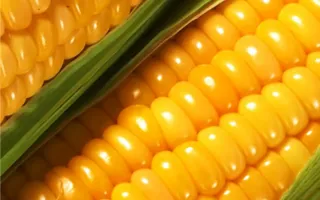
Dent corn (Zea mays indentata) — Large, elongated, flat kernels. The endosperm is horny on the sides of the kernel, mealy in the center and at the top. A depression forms at the top of the kernel upon ripening. Dent corn is the most widely cultivated group among others. Plants ty... |
|
|
Use Direction
Use Direction
Dual-purpose hybrids: for silage and grain in all growing regions. These are "stay-green" type hybrids, meaning the plants remain green for a longer period. However, this does not affect the sugar, cellulose, and hemicellulose content, nor the degree of lignification of the plant... |
|
|
Recommended Density
Recommended Density
Optimal productivity is achieved at a planting density of 4000-5500 plants/ha. Possible planting scheme: 300-500x40-80 cm. |
55-60 thousand pcs/ha, 70-75 thousand pcs/ha |
| Catalog | Catalog → Corn |
| Manufacturer | PIONEER s.a. |
| Country | USA |
Store offers · 5 from 5 stores
Prices are updated on loadLoading offers…
Aggregator catalog: prices are collected automatically from store websites, normalized by AI and converted at the current exchange rate. Before ordering, confirm the price and availability on the store's website. This block is not indexed by search engines — the data is loaded after the page opens.
See also
Often considered together with this variety


Recently viewed
Similar items in this catalog section






Comments · 0