



SKU #32684
·
24 views
P88844
Corn
CortevaUser rating
0 votes0% positive reviews
No ratings yet — be the first.
FAO
90–1240
Ripening
120-140 days
Hybrid Type
Simple Hybrid
Kernel Type
Dent
About product

A high-starch, versatile hybrid with excellent disease resistance and consistent maturity.
FAO
90–1240
Ripening
120-140 days
Hybrid Type
Simple Hybrid
Kernel Type
Dent
Description
Reliable Performance in the Field: Working with the P88844 Hybrid
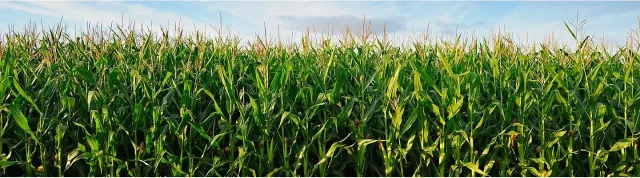
Selecting the right hybrid is always about balancing genetic potential with real-world field conditions. The P88844 hybrid from Corteva has proven to be a workhorse that consistently delivers stable results. Having managed this crop over several seasons, I can attest to its reliability for both grain production and high-quality silage.
Agronomic Traits and Disease Resistance
One of the most impressive features of the P88844 is its high starch content, reaching 74%. For livestock operations, this translates directly into higher energy density in feed. With a maturity window of 120–140 days, it fits well into most regional harvest schedules. Furthermore, the hybrid's resistance to common smut (Ustilago maydis) significantly reduces the risk of crop loss during wet seasons, keeping the stems and ears healthy.
Planting Density and Management
Practical field experience suggests that adjusting seeding rates is key to maximizing return on investment:
- In high-fertility soils with adequate moisture, we target a population of 70,000–75,000 plants/ha to unlock the full potential of the ears.
- In more challenging environments or drought-prone areas, we lower the density to 60,000–65,000 plants/ha to ensure sufficient resources per plant.
As a simple hybrid, P88844 produces highly uniform plants. This uniformity is a major advantage during harvest—it minimizes header losses and ensures a consistent flow of material into the combine, which simplifies operations and saves time.
Economics and Versatility
The decision to use Corteva’s American-bred genetics pays off in the long run. By choosing P88844, we reduce the need for emergency fungicide applications and benefit from a reliable, high-yield product regardless of whether we sell the grain or utilize it for silage. It is a robust, low-maintenance option that performs predictably when it matters most.
Crop & resistance
Disease resistance
Specifications hover over for a hint about the specification
|
FAO
FAO
Corn hybrids are classified by maturity groups and by the FAO number. All corn hybrids are distributed according to the FAO scale. Under Central European conditions, a difference of 10 FAO units between hybrids results in a 1-2 day difference in their maturity. The higher the FAO... |
90–1240 |
|---|---|
| Ripening | 120-140 days |
| Hybrid Type | |
|
Kernel Type
Kernel Type
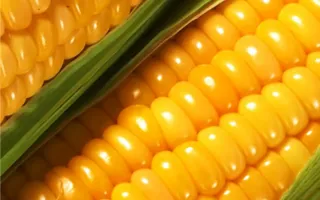
Dent corn (Zea mays indentata) — Large, elongated, flat kernels. The endosperm is horny on the sides of the kernel, mealy in the center and at the top. A depression forms at the top of the kernel upon ripening. Dent corn is the most widely cultivated group among others. Plants ty... |
|
|
Use Direction
Use Direction
Dual-purpose hybrids: for silage and grain in all growing regions. These are "stay-green" type hybrids, meaning the plants remain green for a longer period. However, this does not affect the sugar, cellulose, and hemicellulose content, nor the degree of lignification of the plant... |
|
|
Recommended Density
Recommended Density
Optimal productivity is achieved at a planting density of 4000-5500 plants/ha. Possible planting scheme: 300-500x40-80 cm. |
60-65 thousand pcs/ha, 70-75 thousand pcs/ha |
| Starch content, % | 74 |
| Catalog | Catalog → Corn |
| Manufacturer | Corteva |
| Originator | Corteva |
| Country | USA |
Store offers · 1 from 1 stores
Prices are updated on loadLoading offers…
Aggregator catalog: prices are collected automatically from store websites, normalized by AI and converted at the current exchange rate. Before ordering, confirm the price and availability on the store's website. This block is not indexed by search engines — the data is loaded after the page opens.
See also
Often considered together with this variety


Recently viewed
Similar items in this catalog section






Comments · 0