


SKU #56373
·
25 views
RT 47 SV
Corn
Agroplazma LTD.User rating
0 votes0% positive reviews
No ratings yet — be the first.
FAO
90–1240
Ripening
Mid-late maturity
Hybrid Type
Hybrid
Kernel Type
Dent
About product

A high-tech mid-to-late hybrid with dent grain, engineered for intensive production.
FAO
90–1240
Ripening
Mid-late maturity
Hybrid Type
Hybrid
Kernel Type
Dent
Description
Genetic Potential and Adaptability of the RT 47 SV Hybrid
The RT 47 SV corn hybrid from Agroplazma is a technological solution for intensive farming, aimed at achieving stable, high grain yields. As a mid-to-late maturing hybrid, it requires precise planting schedule planning based on local climate patterns and the required heat unit accumulation.
Morphological Features and Grain Type
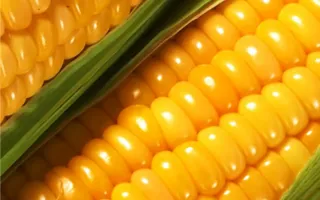
The core characteristic of the RT 47 SV is its dent (teeth-like) grain type. This feature enhances harvest efficiency: the dent structure promotes faster moisture release, significantly reducing post-harvest drying costs. The ear is optimized for effective starch accumulation during the late vegetative stage.
Defense Mechanisms and Phytosanitary Stability
Agroplazma’s engineering approach for the RT 47 SV focuses on minimizing phytosanitary risks. The hybrid’s genetic architecture provides significant resistance to:
- Corn Fusarium, which is crucial for grain storage quality.
- Common Smut, helping to prevent losses in marketable yield.
These features reduce the need for excessive fungicide applications, allowing the plant to direct its energy toward reproductive growth rather than disease management. The hybrid also displays tolerance to a complex of diseases, including Helminthosporium leaf spot and stalk smut.
Planting Density Recommendations
The yield performance of the RT 47 SV depends heavily on managing planting density. The manufacturer recommends a tailored approach:
- In high-productivity or irrigated fields, the optimal density is 65,000–75,000 plants/ha.
- In moisture-limited areas, it is recommended to reduce density to 55,000–60,000 plants/ha to mitigate intraspecific competition for water.
Adhering to these density protocols ensures the full potential of this mid-to-late hybrid is realized and helps prevent lodging during grain fill.
Crop & resistance
Disease resistance
Specifications hover over for a hint about the specification
|
FAO
FAO
Corn hybrids are classified by maturity groups and by the FAO number. All corn hybrids are distributed according to the FAO scale. Under Central European conditions, a difference of 10 FAO units between hybrids results in a 1-2 day difference in their maturity. The higher the FAO... |
90–1240 |
|---|---|
| Ripening | Mid-late maturity |
| Hybrid Type | |
|
Kernel Type
Kernel Type
Dent corn (Zea mays indentata) — Large, elongated, flat kernels. The endosperm is horny on the sides of the kernel, mealy in the center and at the top. A depression forms at the top of the kernel upon ripening. Dent corn is the most widely cultivated group among others. Plants ty... |
|
|
Use Direction
Use Direction
Dual-purpose hybrids: for silage and grain in all growing regions. These are "stay-green" type hybrids, meaning the plants remain green for a longer period. However, this does not affect the sugar, cellulose, and hemicellulose content, nor the degree of lignification of the plant... |
|
|
Recommended Density
Recommended Density
Optimal productivity is achieved at a planting density of 4000-5500 plants/ha. Possible planting scheme: 300-500x40-80 cm. |
65-75 thousand pcs/ha, 55-60 thousand pcs/ha |
| Catalog | Catalog → Corn |
| Manufacturer | Agroplazma LTD. |
| Originator | Agroplazma LTD. |
| Country | Russia |
Store offers · 1 from 1 stores
Prices are updated on loadLoading offers…
Aggregator catalog: prices are collected automatically from store websites, normalized by AI and converted at the current exchange rate. Before ordering, confirm the price and availability on the store's website. This block is not indexed by search engines — the data is loaded after the page opens.
See also
Often considered together with this variety


Recently viewed
Similar items in this catalog section






Comments · 0