


SKU #26246
·
25 views
Grinfort DM 400
Insecticides, Acaricides
АгроМаксі, ТОВUser rating
0 votes0% positive reviews
No ratings yet — be the first.
Method of Application
Spraying of crops, Spraying by vegetation
Type of Action
Systemic fungicide
Danger Class
2
Form of the preparation
Emulsion concentrate
About product

A reliable systemic insecto-acaricide based on dimethoate for protecting cereal crops and beets.
Method of Application
Spraying of crops, Spraying by vegetation
Type of Action
Systemic fungicide
Danger Class
2
Form of the preparation
Emulsion concentrate
Description
Systemic Protection for Cereals and Beets: The Potential of Grinfort DM 400
In the market for dimethoate-based insecticides, "Grinfort DM 400" has established a reputation as a reliable tool for intensive farming. Its systemic mode of action makes it highly effective against pests that are either elusive or protected by thick exoskeletons. The product results from a collaboration between international production facilities (TRUSTCHEM, Shanghai MIO Chemical) and local expertise provided by AgroMaxi, ensuring it is well-adapted to the needs of modern agriculture.
Why Dimethoate Remains Relevant
Despite the emergence of newer compound classes, dimethoate remains a staple due to its combined contact and systemic effects. Within the "Grinfort DM 400" formulation, the active ingredient quickly penetrates plant tissues, rendering them toxic to sap-feeding insects. This is critical for protecting winter crops during peak pest migration periods.
Key Specifications and Application
- Spectrum of Activity: Highly effective against sunn pest (Eurygaster integriceps), cereal leaf beetles, cereal flies, leaf miners, aphids, and thrips.
- Application Flexibility: The application rate ranges from 0.5 to 1.5 L/ha, depending on the phytosanitary conditions of the field.
- Guidelines: The product is applied via foliar spraying. Up to two treatments per season are allowed, ensuring that the necessary pre-harvest interval (30–40 days) is respected.
Given its Category 2 toxicity rating, handling "Grinfort DM 400" requires strict adherence to safety protocols and control over spray drift. While the product fits well into anti-resistance management programs, proper rotation of active ingredients is essential to maintain long-term control efficacy.
Composition
Active ingredients
- Dimethoate инсектицид Фосфорорганические
Application
Used on crops
Against pests
Specifications hover over for a hint about the specification
|
Method of Application
Method of Application
Seed treatment — treatment of seeds before sowing. Soil treatment — application of pesticides to soil, for example, in greenhouses. Seed treatment — a preparation used for pre-sowing treatment of seeds of various crops to protect seedlings from plant diseases and pests. In some c... |
|
|---|---|
|
Type of Action
Type of Action
Insecticides are divided into contact, systemic, stomach, and fumigants based on their mode of entry into the organism. Contact insecticides affect insects upon contact with any part of their body, penetrating into their organism through the integument. They are used against pest... |
|
| Danger Class | 2 |
| Form of the preparation | |
|
Drug Consumption
Drug Consumption
Mass of the preparation per unit of treated area. It is customary to express the dosage rate in kilograms per hectare. The dosage rate is most often given in terms of 100% active ingredient, although sometimes it is calculated based on the preparation in the form of application w... |
0.5-1.5 |
|
Maximum number of treatments
Maximum number of treatments
Maximum recommended number of treatments per vegetation period. |
2 |
|
Last Processing Date, Days
Last Processing Date, Days
Number of days from processing to harvest cleanup |
30-40 |
| Catalog | Catalog → Insecticides, Acaricides |
| Manufacturer | АгроМаксі, ТОВ |
| Manufacturer | Shanghai Mio Chemical Co., Ltd. |
| Manufacturer | Trustchem |
| Applicant | Украгроком |
| Country | China |
Store offers
Prices are updated on loadLoading offers…
Aggregator catalog: prices are collected automatically from store websites, normalized by AI and converted at the current exchange rate. Before ordering, confirm the price and availability on the store's website. This block is not indexed by search engines — the data is loaded after the page opens.
Alternatives
Fodder beet · similar varieties


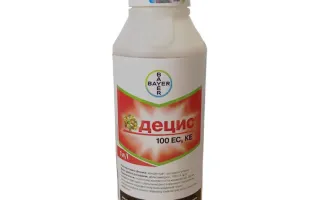

Pilarmax
Піларквім (Шанхай) Ко., Лтд. (Pilarquim (Shanghai) Co, LTD), Шанхай, Китай
049 1 offer
0.86 € ≈ 44 ₴


See also
Often considered together with this variety


Recently viewed
Similar items in this catalog section


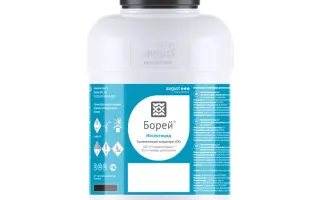
Borey
ЗАТ Фірма Август, Росія.,селище Вурнари,
From your browsing history
27.5K 9 offers
17.6 €за 1 л ≈ 899 ₴


Tabu
ZAT «August-Bel», Republic of Belarus
From your browsing history
45.8K 4 offers
9.8 €за 1 л ≈ 500 ₴


Comments · 0