


SKU #25114
·
45 views
Imidagold
Insecticides, Acaricides
YPL Holding Cooperative Y.A.User rating
0 votes0% positive reviews
No ratings yet — be the first.
Method of Application
Spraying by vegetation
Type of Action
Systemic fungicide
Form of the preparation
Water-soluble concentrate
Drug Consumption
From 0.5 - 1.0 L/ha
About product

A robust systemic insecticide for controlling aphids, thrips, and beetles in potatoes, tomatoes, and wheat.
Method of Application
Spraying by vegetation
Type of Action
Systemic fungicide
Form of the preparation
Water-soluble concentrate
Drug Consumption
From 0.5 - 1.0 L/ha
Description
Systemic protection against key agricultural pests
"Imidagold" by UPL Holding Cooperatief U.A. is a high-performance systemic insecticide designed to safeguard crops against a broad spectrum of pests. By utilizing the power of imidacloprid, the product acts from within the plant tissue, offering extended protection that remains effective for up to 20 days after application.
Field Application Scenarios
This product is a preferred choice for growers who need a reliable solution for heavy pest pressure. It is specifically targeted for:
- Potatoes: Highly effective control of the Colorado potato beetle to prevent foliage loss.
- Tomatoes: Management of aphids and thrips, which are critical vectors for viral infections in vegetable production.
- Winter Wheat: Controlling leafhoppers and aphids during critical growth stages to protect potential yield.
- Sunflower: Protecting young crops from early-season insect threats.
Usage and Best Practices
As a water-soluble concentrate, Imidagold integrates seamlessly into standard spray programs. For optimal efficacy, apply at a rate of 0.5 to 1.0 liters per hectare. Please note that the maximum limit is one application per season, which helps in preventing resistance buildup in pest populations and ensures compliance with residue requirements. The pre-harvest interval is set at 20 days.
Being a class 3 hazard product, standard safety protocols are required: utilize personal protective equipment (PPE) and avoid spraying during high wind conditions to prevent drift. The systemic nature of Imidagold is particularly advantageous as it protects new growth that emerges after the spray application, providing peace of mind to farmers during the most vulnerable periods of crop development.
Composition
Active ingredients
- Imidacloprid инсектицид Неоникотиноиды
Application
Used on crops
Against pests
Specifications hover over for a hint about the specification
|
Method of Application
Method of Application
Seed treatment — treatment of seeds before sowing. Soil treatment — application of pesticides to soil, for example, in greenhouses. Seed treatment — a preparation used for pre-sowing treatment of seeds of various crops to protect seedlings from plant diseases and pests. In some c... |
|
|---|---|
|
Type of Action
Type of Action
Insecticides are divided into contact, systemic, stomach, and fumigants based on their mode of entry into the organism. Contact insecticides affect insects upon contact with any part of their body, penetrating into their organism through the integument. They are used against pest... |
|
| Form of the preparation | |
|
Drug Consumption
Drug Consumption
Mass of the preparation per unit of treated area. It is customary to express the dosage rate in kilograms per hectare. The dosage rate is most often given in terms of 100% active ingredient, although sometimes it is calculated based on the preparation in the form of application w... |
From 0.5 - 1.0 L/ha |
|
Maximum number of treatments
Maximum number of treatments
Maximum recommended number of treatments per vegetation period. |
1 |
| Danger Class | 2 |
|
Last Processing Date, Days
Last Processing Date, Days
Number of days from processing to harvest cleanup |
20 |
| Catalog | Catalog → Insecticides, Acaricides |
| Manufacturer | YPL Holding Cooperative Y.A. |
| Country | Netherlands |
Store offers · 4 from 4 stores
Prices are updated on loadLoading offers…
Aggregator catalog: prices are collected automatically from store websites, normalized by AI and converted at the current exchange rate. Before ordering, confirm the price and availability on the store's website. This block is not indexed by search engines — the data is loaded after the page opens.
Alternatives
Sunflower · similar varieties



See also
Often considered together with this variety


Recently viewed
Similar items in this catalog section


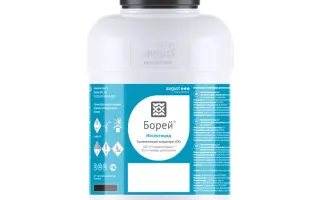
Borey
ЗАТ Фірма Август, Росія.,селище Вурнари,
From your browsing history
27.5K 9 offers
17.6 €за 1 л ≈ 899 ₴


Tabu
ZAT «August-Bel», Republic of Belarus
From your browsing history
45.8K 4 offers
9.8 €за 1 л ≈ 500 ₴



Comments · 0