

SKU #24984
·
56 views
Nurel D
Insecticides, Acaricides
DOW AgroSciencesUser rating
0 votes0% positive reviews
No ratings yet — be the first.
Method of Application
Spraying of crops
Type of Action
Contact fungicide, Systemic fungicide
Drug Consumption
From 0.5 - 1.0 L/ha
Danger Class
3
About product

A powerful insecticide with fumigant action for rapid control of both surface and concealed crop pests.
Method of Application
Spraying of crops
Type of Action
Contact fungicide, Systemic fungicide
Drug Consumption
From 0.5 - 1.0 L/ha
Danger Class
3
Description
Tactical pest control: optimizing crop health with Nurel D
For large-scale farming operations, managing simultaneous outbreaks of concealed and surface-feeding insects is a constant challenge. Nurel D from DOW AgroSciences provides a robust solution, acting as both an insecticide and acaricide. Its dual-action formulation allows for a rapid knockdown effect, protecting crops during their most vulnerable growth stages.
Practical field scenarios
Nurel D is engineered for versatility across a variety of field crops, including winter wheat and barley, oilseed rape, sugar beet, peas, mustard, and apple orchards. Growers rely on it in specific agronomic situations:
- Eradicating concealed pests: Due to its vapor (fumigant) action, the product reaches pests hidden in leaf axils or under bark, where standard contact insecticides often fail.
- Managing multi-species complexes: Its dual systemic and contact properties ensure that both mobile insects and those feeding on treated surfaces are effectively controlled.
- Reliability in variable climates: The formulation remains active across a range of temperature profiles, making it a dependable choice for early-season protection or mid-summer pest pressure.
Application best practices
Nurel D is applied via foliar spraying with a dosage ranging from 0.5 to 1.0 liters per hectare. Given its Class 2 hazard profile, strict adherence to safety protocols is mandatory. To maximize efficiency and minimize environmental impact, spray timings must avoid bee foraging hours. Growers are advised to limit application to 1–2 passes per season to manage resistance profiles effectively. The pre-harvest interval (PHI) of 30–40 days ensures that while crops receive high-level protection during growth, harvest quality remains compliant with safety standards.
Application
Used on crops
Specifications hover over for a hint about the specification
|
Method of Application
Method of Application
Seed treatment — treatment of seeds before sowing. Soil treatment — application of pesticides to soil, for example, in greenhouses. Seed treatment — a preparation used for pre-sowing treatment of seeds of various crops to protect seedlings from plant diseases and pests. In some c... |
|
|---|---|
|
Type of Action
Type of Action
Insecticides are divided into contact, systemic, stomach, and fumigants based on their mode of entry into the organism. Contact insecticides affect insects upon contact with any part of their body, penetrating into their organism through the integument. They are used against pest... |
|
|
Drug Consumption
Drug Consumption
Mass of the preparation per unit of treated area. It is customary to express the dosage rate in kilograms per hectare. The dosage rate is most often given in terms of 100% active ingredient, although sometimes it is calculated based on the preparation in the form of application w... |
From 0.5 - 1.0 L/ha |
| Danger Class | 3 |
| Form of the preparation | |
|
Maximum number of treatments
Maximum number of treatments
Maximum recommended number of treatments per vegetation period. |
1-2 |
|
Last Processing Date, Days
Last Processing Date, Days
Number of days from processing to harvest cleanup |
30-40 |
| Catalog | Catalog → Insecticides, Acaricides |
| Manufacturer | DOW AgroSciences |
| Country | USA |
Store offers · 11 from 9 stores
Prices are updated on loadLoading offers…
Aggregator catalog: prices are collected automatically from store websites, normalized by AI and converted at the current exchange rate. Before ordering, confirm the price and availability on the store's website. This block is not indexed by search engines — the data is loaded after the page opens.
Alternatives
Fodder beet · similar varieties





See also
Often considered together with this variety


Recently viewed
Similar items in this catalog section


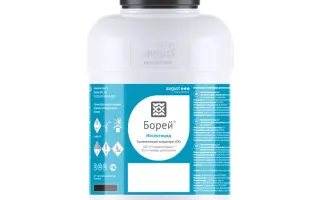
Borey
ЗАТ Фірма Август, Росія.,селище Вурнари,
From your browsing history
27.5K 9 offers
17.6 €за 1 л ≈ 899 ₴


Tabu
ZAT «August-Bel», Republic of Belarus
From your browsing history
45.8K 4 offers
9.8 €за 1 л ≈ 500 ₴


Comments · 0