



SKU #71449
·
44 views
SIBNIISHOZ 88
Kostretz
User rating
0 votes0% positive reviews
No ratings yet — be the first.
Assignment
Feed
Type
Feeding
Plant Height
110-140
Hay Yield (t/ha)
3.96-5.43
About product

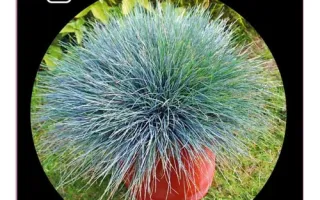
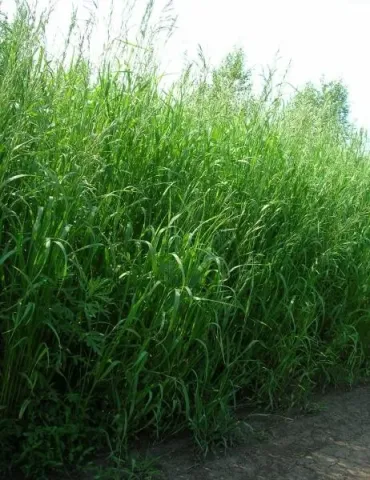
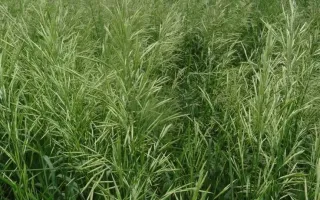
SIBNIISHOZ 88 is a species of hairgrass developed in the Siberian Research Institute of Agriculture and Machine Building through a group of biotype selection from a wild population K 3431, VIR. The plant is characterized by an erect, dense bush with a height of 110-140 cm, rounded stems of medium roughness and without pubescence. On each stem there are 35-40 sturdy stems, and the leaves are wide-l…
Assignment
Feed
Type
Feeding
Plant Height
110-140
Hay Yield (t/ha)
3.96-5.43
Description
SIBNIISHOZ 88 is a species of hairgrass developed in the Siberian Research Institute of Agriculture and Machine Building through a group of biotype selection from a wild population K 3431, VIR. The plant is characterized by an erect, dense bush with a height of 110-140 cm, rounded stems of medium roughness and without pubescence. On each stem there are 35-40 sturdy stems, and the leaves are wide-linear, soft, slightly rough, 25-40 mm long and 1.0-2.5 cm wide, covered with a weak waxy coating. Flowers form a panicle 25-32 cm long, containing 7-10 flowers; seeds are large, flattened, gray-purple and longer than 10 mm.
The variety differs in high yield of dry matter: in the Middle Volga region the average yield was 54.3 c/ha, and the maximum was 153.3 c/ha. In the East-Siberian region the average yield of dry matter was 39.6 c/ha, and the seeds yield up to 11.7 c/ha. The vegetation period from the beginning of spring growth to the first mowing is 67-73 days, and to harvest maturity of seeds is 97-112 days.
Biochemical studies conducted in 2019-2021 showed that the green mass of this variety is more nutritious than other samples. In the first year of use, the protein content of the green mass exceeds the standard by 0.8%. The SIBNIISHOZ 88 variety is considered promising for further breeding work due to its high cellulose content and improved protein content compared to the basic variety SibNIIShhoz 189. It also demonstrates moderate resistance to rust infection, which makes it an attractive choice for a wide range of climatic conditions.
The variety differs in high yield of dry matter: in the Middle Volga region the average yield was 54.3 c/ha, and the maximum was 153.3 c/ha. In the East-Siberian region the average yield of dry matter was 39.6 c/ha, and the seeds yield up to 11.7 c/ha. The vegetation period from the beginning of spring growth to the first mowing is 67-73 days, and to harvest maturity of seeds is 97-112 days.
Biochemical studies conducted in 2019-2021 showed that the green mass of this variety is more nutritious than other samples. In the first year of use, the protein content of the green mass exceeds the standard by 0.8%. The SIBNIISHOZ 88 variety is considered promising for further breeding work due to its high cellulose content and improved protein content compared to the basic variety SibNIIShhoz 189. It also demonstrates moderate resistance to rust infection, which makes it an attractive choice for a wide range of climatic conditions.
Specifications hover over for a hint about the specification
| Assignment | |
|---|---|
|
Type
Type
Galia (Galia) type — relatively new, of Israeli origin, although there are indications that this variety may originate from Spain. The fruits of this type are round or oval, weighing about 1 kg. The surface is smooth, covered with a delicate, connected netting, turning yellow whe... |
|
| Plant Height | 110-140 |
| Hay Yield (t/ha) | 3.96-5.43 |
| Catalog | Catalog → Kostretz |
| Originator | Omsk Agrarian Scientific Center |
| Country | Russia |
Store offers · 1 from 1 stores
Prices are updated on loadLoading offers…
Aggregator catalog: prices are collected automatically from store websites, normalized by AI and converted at the current exchange rate. Before ordering, confirm the price and availability on the store's website. This block is not indexed by search engines — the data is loaded after the page opens.
See also
Often considered together with this variety


Recently viewed
Similar items in this catalog section




Comments · 0