




SKU #4963
·
453 views
Surprise
Onion
User rating
0 votes0% positive reviews
No ratings yet — be the first.
Type
Shallot
Direction
Salad
Maturation Period
Up to 90 days
Harvest Method
Manual
About product

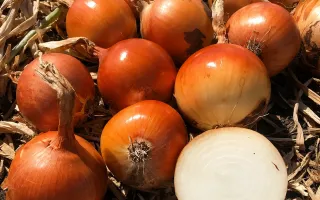
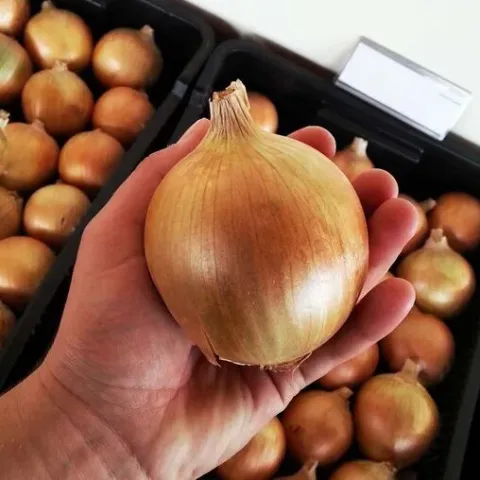
Early-maturing shallot with high yields and a delicate taste, perfect for the fresh produce market.
Type
Shallot
Direction
Salad
Maturation Period
Up to 90 days
Harvest Method
Manual
Description
Operating the 'Surprise' Shallot Crop
Cultivating the 'Surprise' shallot, developed by the Institute of Vegetable and Melon Growing of NAAS, requires a specific approach to management. As a salad-type variety, it is designed for rapid market turnover, with a growing season of up to 90 days. Achieving the potential yield of over 100 tons per hectare demands rigorous control over irrigation and fertilization schedules, making it a high-maintenance but high-reward crop for intensive vegetable farms.
Maintenance and Harvesting Logistics
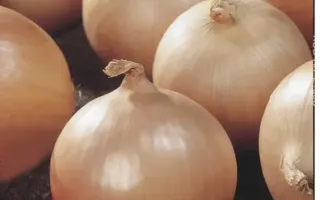
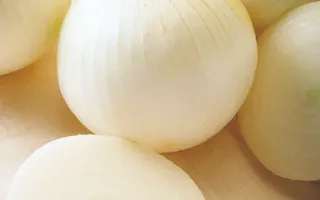
A key operational constraint of this variety is the requirement for manual harvesting. Because the bulbs are delicate, rounded, and white-skinned, mechanized harvesting could compromise the shelf life and visual appeal. Owners should factor in labor costs for harvesting, as this is the primary bottleneck for the crop. Since the shelf life is limited to 3–4 months, strategic planning is essential to ensure that the produce hits the fresh market shortly after harvest.
- Cycle: Up to 90 days from emergence to maturity, allowing for efficient land utilization.
- Post-harvest: Storage life of 3–4 months requires timely delivery to buyers or retail partners.
- Quality: Designed for fresh consumption, offering a mild, non-pungent taste profile highly valued by chefs and consumers.
Working with the 'Surprise' variety implies focusing on quality over long-term storage. Producers who can manage hand-harvesting labor and have proximity to distribution centers will find this variety to be a productive and profitable addition to their salad vegetable portfolio.
Video · 1 video
Suggest a video →Crop & resistance
Crop
Specifications hover over for a hint about the specification
|
Type
Type
Galia (Galia) type — relatively new, of Israeli origin, although there are indications that this variety may originate from Spain. The fruits of this type are round or oval, weighing about 1 kg. The surface is smooth, covered with a delicate, connected netting, turning yellow whe... |
|
|---|---|
|
Direction
Direction
Existing varieties and types of cabbage are grown for fresh consumption, long-term storage, and technical processing. |
|
|
Maturation Period
Maturation Period
Vegetation period from emergence to technical maturity 30-50 days. |
Up to 90 days |
|
Harvest Method
Harvest Method
Most existing onion varieties are harvested manually. This is because onion bulbs are very sensitive to mechanical damage. However, there are varieties whose bulbs have a hard consistency and are suitable for mechanical harvesting. |
|
|
Yield
Yield
Overall bulb harvest per unit area. Depends on both onion variety characteristics and agronomic practices, fertilizers, and irrigation. Under optimal growing conditions, an onion yield of 100 tons per hectare and above is not considered record-breaking. |
More than 100 tons/ha |
|
Onion bulb; color
Onion bulb; color
Distinguish two main colors of the onion bulb in cross-section. Specifically, white (possibly greenish-white) and red (pink) color. |
|
|
Cormus; shape
Cormus; shape
The shape of corms is quite diverse and can be flattened, round, and elongated. |
|
|
Storage
Storage
Depending on the variety characteristics, the storage period for heads may vary from one month for early varieties to eight months for late cabbage varieties. |
3 - 4 months |
| Catalog | Catalog → Onion |
| Originator | IVMG NAAS |
| Country | Ukraine |
Store offers
Prices are updated on loadLoading offers…
Aggregator catalog: prices are collected automatically from store websites, normalized by AI and converted at the current exchange rate. Before ordering, confirm the price and availability on the store's website. This block is not indexed by search engines — the data is loaded after the page opens.
Alternatives
Onion · similar varieties




See also
Often considered together with this variety





Recently viewed
Similar items in this catalog section


Comments · 0