
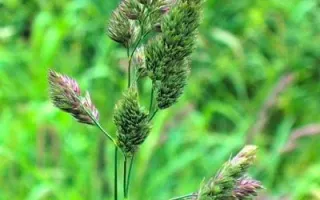

SKU #72690
·
54 views
MORSHANSKAYA 143
Orchard Grass
ONO MORShANSKAYa SELEKTSIONNAYa STANTSIYaUser rating
0 votes0% positive reviews
No ratings yet — be the first.
Usage Type
On feed, Pasture, Lawn
About product

Bunch grass (Dactylis glomerata L.) – a perennial herbaceous crop characterized by high winter hardiness and drought resistance. The 'Morshanskaya 143' variety features medium-early growth, enabling dry matter yields of 6–7.5 tons/ha alongside high seed yields ranging from 300 to 400 kg/ha. The crop shows low susceptibility to diseases, thrives on chernozem and other fertile soils, and demonstrate…
Usage Type
On feed, Pasture, Lawn
Description
Bunch grass (Dactylis glomerata L.) – a perennial herbaceous crop characterized by high winter hardiness and drought resistance. The 'Morshanskaya 143' variety features medium-early growth, enabling dry matter yields of 6–7.5 tons/ha alongside high seed yields ranging from 300 to 400 kg/ha. The crop shows low susceptibility to diseases, thrives on chernozem and other fertile soils, and demonstrates good shade tolerance.
The forage qualities of bunch grass make it a valuable component for pasture and hayfield use. When mown in early growth stages (no later than the earing phase), the plant produces 2–3 cuts, with average hay yields of 50–60 centners/ha over two cuts. In 100 kg of hay harvested at the beginning of flowering, there are approximately 54.5 feed units and 4.3 kg of digestible protein. Carotene content ranges from 1 mg in hay to 4 mg in grass.
Bunch grass recovers quickly after grazing or mowing due to early spring vegetation and can maintain yield on the second and third year of life. The culture is well-grazed by cattle, horses, and other livestock, and is also suitable for lawn creation. It responds well to phosphorus-potassium fertilizers, which enhances its productivity under intensive agricultural use.
The forage qualities of bunch grass make it a valuable component for pasture and hayfield use. When mown in early growth stages (no later than the earing phase), the plant produces 2–3 cuts, with average hay yields of 50–60 centners/ha over two cuts. In 100 kg of hay harvested at the beginning of flowering, there are approximately 54.5 feed units and 4.3 kg of digestible protein. Carotene content ranges from 1 mg in hay to 4 mg in grass.
Bunch grass recovers quickly after grazing or mowing due to early spring vegetation and can maintain yield on the second and third year of life. The culture is well-grazed by cattle, horses, and other livestock, and is also suitable for lawn creation. It responds well to phosphorus-potassium fertilizers, which enhances its productivity under intensive agricultural use.
Specifications
| Usage Type | |
|---|---|
| Catalog | Catalog → Orchard Grass |
| Manufacturer | ONO MORShANSKAYa SELEKTSIONNAYa STANTSIYa |
| Originator | ONO MORShANSKAYa SELEKTSIONNAYa STANTSIYa |
| Originator | Оно Моршанская Селекционная Станция |
| Country | Russia |
Store offers · 4 from 3 stores
Prices are updated on loadLoading offers…
Aggregator catalog: prices are collected automatically from store websites, normalized by AI and converted at the current exchange rate. Before ordering, confirm the price and availability on the store's website. This block is not indexed by search engines — the data is loaded after the page opens.
See also
Often considered together with this variety


KHLINOVSKAYA
ФГБНУ Федеральный Аграрный Научный Центр Северо-востока имени Н.В. Рудницкого
059 2 offers
4.52 € ≈ 231 ₴




Recently viewed
Similar items in this catalog section


Comments · 0