


SKU #39523
·
67 views
Beorange
Tomato
MONSANTOUser rating
0 votes0% positive reviews
No ratings yet — be the first.
Product Type
Seeds; Seed material
Plant Type
Indeterminate
Maturation Period
100-120 days
Fruit Weight
150 - 200 grams
Prices in stores
from457.1 €per 1000 pcs
2 offers from 2 stores
About product
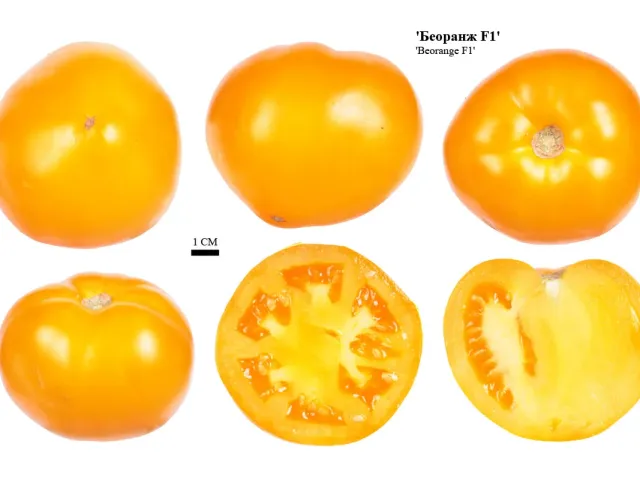
A professional indeterminate hybrid with high disease resistance and a stable yield of up to 100 tons.
Product Type
Seeds; Seed material
Plant Type
Indeterminate
Maturation Period
100-120 days
Fruit Weight
150 - 200 grams
Description
Stable yields in a vibrant orange hue
The Biorange tomato from the American giant Monsanto is a breeding achievement for those seeking a balance between market aesthetics and high productivity. In the segment of indeterminate tomatoes, this hybrid stands out primarily for its plasticity: with a medium maturity period of 100–120 days, the plant demonstrates enviable resistance to diseases that often cause the loss of half the crop in greenhouses.
Crop health as a foundation for profitability
The key advantage of Biorange is its powerful immune complex. Unlike many standard varieties, it effectively resists verticillium, fusarium wilt, and a whole spectrum of plant viruses. This is not just a marketing claim, but actual savings on fungicides and a significant reduction in losses during greenhouse cultivation.
Fruit characteristics: Taste and Marketability
- Weight 150–200 grams: The ideal size for retail and the HoReCa segment.
- Shape: A harmonious combination of round and slightly heart-shaped, giving the fruits a premium farm-fresh look.
- Internal structure: 4–6 chambers ensure density and transportability without compromising the tenderness of the flesh.
- Color: Deep orange, indicating high carotene content.
A yield of 70–100 tons per hectare makes this hybrid an optimal solution for medium and large-scale operations focused on selling high-quality produce. A potential challenge is the requirement for specific soil conditions—to reach the upper yield threshold, the plant needs strict adherence to a feeding program and professional management. Biorange is the choice for growers who value predictable results and require a virus-resistant seed material.
Crop & resistance
Disease resistance
Specifications hover over for a hint about the specification
| Product Type | |
|---|---|
| Plant Type | |
|
Maturation Period
Maturation Period
Vegetation period from emergence to technical maturity 30-50 days. |
100-120 days |
|
Fruit Weight
Fruit Weight
Tomato fruits are classified by weight as: very small — less than 20 grams; small — 20 — 50 grams; medium — 50 — 100 grams; large — 100 — 200 grams; very large — more than 200 grams. |
150 - 200 grams |
|
Fruit Shape
Fruit Shape
Modern tomato varieties have a diverse fruit shape: flat, flat-round, round, oval, elongated-oval, pear-shaped, plum-shaped, cube-shaped, and cylindrical. On poorly fertile soils and under unfavorable growing conditions, tomato fruits may take on a more rounded shape. |
|
|
Fruit Color
Fruit Color
The fruit color of tomato varieties is influenced by the combination of skin and flesh color. Some varieties have transparent skin, others — yellow. When combined differently, the fruits can acquire quite diverse colors. The fruit color is affected by pigments (lycopene) and thei... |
|
|
Number of chambers
Number of chambers
An important agronomic trait closely related to fruit size, fleshiness, and seed count. The number of chambers in tomato fruits, or locules, ranges from 2 to over 20. They are determined by counting on a cross-section. Multichamberedness is a trait indicating larger fruit size an... |
|
|
Yield
Yield
Overall bulb harvest per unit area. Depends on both onion variety characteristics and agronomic practices, fertilizers, and irrigation. Under optimal growing conditions, an onion yield of 100 tons per hectare and above is not considered record-breaking. |
70-100 tons |
| Catalog | Catalog → Tomato |
| Manufacturer | MONSANTO |
| Country | USA |
Store offers · 2 from 2 stores
Prices are updated on loadLoading offers…
Aggregator catalog: prices are collected automatically from store websites, normalized by AI and converted at the current exchange rate. Before ordering, confirm the price and availability on the store's website. This block is not indexed by search engines — the data is loaded after the page opens.
See also
Often considered together with this variety


Recently viewed
Similar items in this catalog section
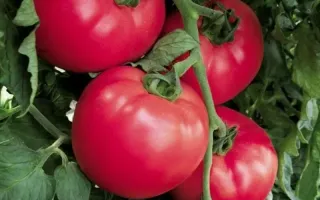


President II F1
Seminis Vegetable Seeds
From your browsing history
1314.7K 21 offer
47.4 €за 1000 шт ≈ 2 420 ₴


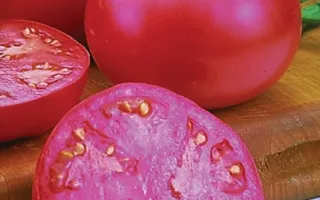
Pink Lady F1 / Pink Girl F1
Seminis Vegetable Seeds
From your browsing history
1911.9K 7 offers
2.9 €за 1000 шт ≈ 148 ₴


Comments · 0