


SKU #50652
·
36 views
MIZO
Tomato
MONSANTOUser rating
0 votes0% positive reviews
No ratings yet — be the first.
Product Type
Seeds; Seed material
Plant Type
Indeterminate
Maturation Period
90-100 days
Fruit Weight
More than 200 grams
Prices in stores
from0.1 €per 1000 pcs
2 offers from 1 store
About product

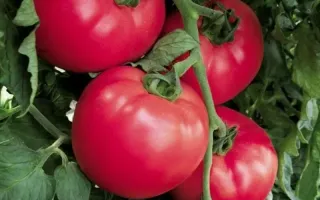
A high-yielding, large-fruited pink tomato hybrid featuring exceptional blight resistance and firmness.
Product Type
Seeds; Seed material
Plant Type
Indeterminate
Maturation Period
90-100 days
Fruit Weight
More than 200 grams
Description
The Mizo Advantage: Precision Pink Tomatoes from Monsanto
In the professional greenhouse market, large-fruited pink tomatoes are often synonymous with delicate handling and high disease susceptibility. The indeterminate hybrid «Mizo» by Monsanto (developed by Seminis Vegetable Seeds) bridges the gap between high-yield industrial performance and premium market quality.
Technical Edge and Performance
- Field-proven Resistance: The standout feature of Mizo is its robust resistance to late blight (Phytophthora). This makes it a superior alternative for regions where humidity poses a constant threat to tomato yields, allowing for a cleaner harvest with fewer fungicide interventions.
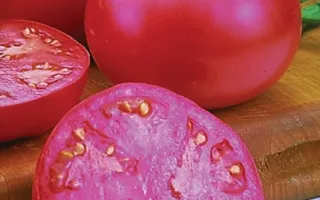
- Superior Fruit Quality: With a fruit mass consistently exceeding 200 grams, Mizo maintains a firm structure despite having more than six seed chambers. Unlike many pink varieties that become soft during transit, Mizo retains its integrity, making it a reliable choice for long-distance supply chains.
- Commercial Scale: Capable of producing up to 50 tons per hectare, this hybrid is designed for serious producers. It thrives in professional greenhouse environments where temperature and nutrient management are strictly controlled.
Strategic Fit for Your Farm
Mizo is not for the hobbyist; it is an intensive crop requiring precise trellising and nutritional management to fully express its indeterminate growth potential. With a maturation period of 90-100 days, it offers a predictable production cycle that is ideal for maximizing turnover in commercial greenhouses.
The Verdict: While Mizo demands a high level of expertise in agrotechnology, its resistance to blight and consistent fruit size significantly reduce the risk of crop failure. For growers seeking the reliability of American genetics with the specific aesthetic and taste profile of a high-end pink tomato, Mizo remains a top-tier candidate in the Monsanto (Seminis) portfolio.
Crop & resistance
Disease resistance
Specifications hover over for a hint about the specification
| Product Type | |
|---|---|
| Plant Type | |
|
Maturation Period
Maturation Period
Vegetation period from emergence to technical maturity 30-50 days. |
90-100 days |
|
Fruit Weight
Fruit Weight
Tomato fruits are classified by weight as: very small — less than 20 grams; small — 20 — 50 grams; medium — 50 — 100 grams; large — 100 — 200 grams; very large — more than 200 grams. |
More than 200 grams |
|
Fruit Color
Fruit Color
The fruit color of tomato varieties is influenced by the combination of skin and flesh color. Some varieties have transparent skin, others — yellow. When combined differently, the fruits can acquire quite diverse colors. The fruit color is affected by pigments (lycopene) and thei... |
|
|
Number of chambers
Number of chambers
An important agronomic trait closely related to fruit size, fleshiness, and seed count. The number of chambers in tomato fruits, or locules, ranges from 2 to over 20. They are determined by counting on a cross-section. Multichamberedness is a trait indicating larger fruit size an... |
|
|
Yield
Yield
Overall bulb harvest per unit area. Depends on both onion variety characteristics and agronomic practices, fertilizers, and irrigation. Under optimal growing conditions, an onion yield of 100 tons per hectare and above is not considered record-breaking. |
Up to 50 tons |
| Catalog | Catalog → Tomato |
| Manufacturer | MONSANTO |
| Originator | Seminis Vegetable Seeds |
| Country | USA |
Store offers · 2 from 1 stores
Prices are updated on loadLoading offers…
Aggregator catalog: prices are collected automatically from store websites, normalized by AI and converted at the current exchange rate. Before ordering, confirm the price and availability on the store's website. This block is not indexed by search engines — the data is loaded after the page opens.
See also
Often considered together with this variety


Recently viewed
Similar items in this catalog section


President II F1
Seminis Vegetable Seeds
From your browsing history
1314.7K 21 offer
47.4 €за 1000 шт ≈ 2 420 ₴


Pink Lady F1 / Pink Girl F1
Seminis Vegetable Seeds
From your browsing history
1911.9K 7 offers
2.9 €за 1000 шт ≈ 148 ₴


Comments · 0