


SKU #50216
·
42 views
ZEFIR PINK
Tomato
SedekUser rating
0 votes0% positive reviews
No ratings yet — be the first.
Product Type
Seeds; Seed material
Maturation Period
Up to 90 days
Fruit Weight
60-80 grams
Fruit Shape
Round
About product

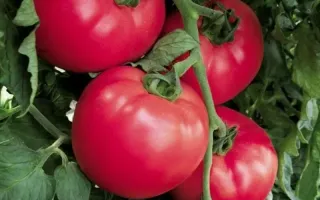
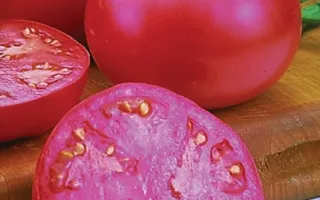
Tomato variety Zefir Pink is an early-maturing pink-fruited variety intended for cultivation both in open fields and in plastic greenhouses. The plant is spreading, reaching a height of 80 to 100 cm, with dense foliage. Fruits are round, pink in color, weighing about 70-80 g, with a sweet taste and firm texture. This variety is distinguished by its uniform yield, adaptability, and cold resistance,…
Product Type
Seeds; Seed material
Maturation Period
Up to 90 days
Fruit Weight
60-80 grams
Fruit Shape
Round
Description
Tomato variety Zefir Pink is an early-maturing pink-fruited variety intended for cultivation both in open fields and in plastic greenhouses. The plant is spreading, reaching a height of 80 to 100 cm, with dense foliage. Fruits are round, pink in color, weighing about 70-80 g, with a sweet taste and firm texture. This variety is distinguished by its uniform yield, adaptability, and cold resistance, making it suitable for various climatic conditions and processing methods.
Sowing seeds is recommended in the third decade of March into moist, warmed to 20 degrees Celsius soil. Seedlings are transplanted to their permanent location after the end of spring frosts, typically at the end of May to early June, with a density of about 4 plants per square meter. To form strong and healthy plants, it is recommended to train the plant into two stems, tie to stakes, and regularly pinch out suckers. Care includes infrequent but abundant watering and feeding with complex mineral fertilizers, especially during fruit set and ripening.
Tomato fruits of the Zefir Pink variety have good storability and are suitable for dietary nutrition due to their sweet taste and firm structure. Harvesting is conducted as fruits reach brown ripeness. This variety is suitable for both beginner gardeners and experienced farmers, thanks to its high yield, excellent taste, and long-term storage capability.
Sowing seeds is recommended in the third decade of March into moist, warmed to 20 degrees Celsius soil. Seedlings are transplanted to their permanent location after the end of spring frosts, typically at the end of May to early June, with a density of about 4 plants per square meter. To form strong and healthy plants, it is recommended to train the plant into two stems, tie to stakes, and regularly pinch out suckers. Care includes infrequent but abundant watering and feeding with complex mineral fertilizers, especially during fruit set and ripening.
Tomato fruits of the Zefir Pink variety have good storability and are suitable for dietary nutrition due to their sweet taste and firm structure. Harvesting is conducted as fruits reach brown ripeness. This variety is suitable for both beginner gardeners and experienced farmers, thanks to its high yield, excellent taste, and long-term storage capability.
Video · 5 videos
Suggest a video →Specifications hover over for a hint about the specification
| Product Type | |
|---|---|
|
Maturation Period
Maturation Period
Vegetation period from emergence to technical maturity 30-50 days. |
Up to 90 days |
|
Fruit Weight
Fruit Weight
Tomato fruits are classified by weight as: very small — less than 20 grams; small — 20 — 50 grams; medium — 50 — 100 grams; large — 100 — 200 grams; very large — more than 200 grams. |
60-80 grams |
|
Fruit Shape
Fruit Shape
Modern tomato varieties have a diverse fruit shape: flat, flat-round, round, oval, elongated-oval, pear-shaped, plum-shaped, cube-shaped, and cylindrical. On poorly fertile soils and under unfavorable growing conditions, tomato fruits may take on a more rounded shape. |
|
|
Fruit Color
Fruit Color
The fruit color of tomato varieties is influenced by the combination of skin and flesh color. Some varieties have transparent skin, others — yellow. When combined differently, the fruits can acquire quite diverse colors. The fruit color is affected by pigments (lycopene) and thei... |
|
| Transportability | |
|
Storage
Storage
Depending on the variety characteristics, the storage period for heads may vary from one month for early varieties to eight months for late cabbage varieties. |
More than 30 days |
|
Yield
Yield
Overall bulb harvest per unit area. Depends on both onion variety characteristics and agronomic practices, fertilizers, and irrigation. Under optimal growing conditions, an onion yield of 100 tons per hectare and above is not considered record-breaking. |
70-100 tons |
|
Recommended Density
Recommended Density
Optimal productivity is achieved at a planting density of 4000-5500 plants/ha. Possible planting scheme: 300-500x40-80 cm. |
40-60 thousand pcs/ha |
| Catalog | Catalog → Tomato |
| Manufacturer | Sedek |
| Originator | Sedek |
| Originator | Дубинин Сергей Владимирович |
| Originator | Dubinina Irina Nikolaevna |
| Originator | Лукьяненко Анатолий Никитович |
| Country | Russia |
Store offers · 2 from 2 stores
Prices are updated on loadLoading offers…
Aggregator catalog: prices are collected automatically from store websites, normalized by AI and converted at the current exchange rate. Before ordering, confirm the price and availability on the store's website. This block is not indexed by search engines — the data is loaded after the page opens.
See also
Often considered together with this variety


Recently viewed
Similar items in this catalog section


President II F1
Seminis Vegetable Seeds
From your browsing history
1314.7K 21 offer
47.4 €за 1000 шт ≈ 2 420 ₴


Pink Lady F1 / Pink Girl F1
Seminis Vegetable Seeds
From your browsing history
1911.9K 7 offers
2.9 €за 1000 шт ≈ 148 ₴


Comments · 0