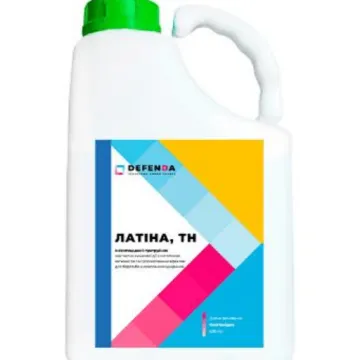
Latina, TN
Hangzhou Ruijiang Chemical Co., Ltd.
Insecticides, Acaricides
0
0
·
29
1 offer
5.1 €за 1 л
Купить

Tortoise beetles (Cassidinae) are a subfamily of leaf beetles (Chrysomelidae) named for their unique body shape. Their pronotum and elytra are expanded laterally, creating a shield-like structure that effectively conceals their head, legs, and antennae when the insect is at rest or threatened.
These beetles are polyphagous and target various plant families, including Convolvulaceae, Solanaceae, and Amaranthaceae. Economically important crops such as sweet potatoes, potatoes, and sugar beets are frequently impacted by these pests, resulting in significant foliage damage in both home gardens and commercial agricultural production.
The biology of tortoise beetles involves a complete metamorphosis: egg, larva, pupa, and adult. They typically overwinter as adults in debris, leaf litter, or topsoil. As temperatures rise in spring, the adults emerge to feed on host leaves. Females then lay clusters of eggs on the undersides of leaves, sometimes covering them with protective secretions or fecal matter to deter predators.
Damage is caused by both adults and larvae, which feed on the leaf tissue. This results in characteristic shot-holes or window-paning, where the surface of the leaf is eaten away. In severe infestations, the foliage can be completely skeletonized, leading to reduced photosynthetic capacity, stunted plant growth, and a substantial decrease in crop yield or quality.
Integrated pest management strategies for tortoise beetles include:















No discussions yet — be the first.