

Pest · affects Winter wheat, Apple, Winter barley
Especially harmful
Sucking pests
Description
Sucking pests are a diverse group of arthropods characterized by mouthparts adapted to pierce plant tissues and extract phloem or mesophyll sap. This group primarily includes insects from the orders Hemiptera and Thysanoptera, as well as mites belonging to the class Arachnida. Key families include Aphididae (aphids), Aleyrodidae (whiteflies), and Tetranychidae (spider mites).
These pests pose a significant threat to a wide range of botanical species, significantly impacting commercial agriculture. Crops such as cucumber, hop, apple, plum, tomato, potato, and grape are particularly susceptible. Infestations often begin locally and can rapidly spread across entire fields or greenhouses if not managed appropriately.
The biology of these pests is marked by high reproductive potential and complex life cycles. Many species exhibit rapid generation turnover, allowing populations to explode within a few weeks during favorable climatic conditions. Some species also demonstrate high mobility or migratory behavior, making them difficult to contain during the growing season.
The damage caused by sucking pests is multifaceted. Direct feeding leads to wilting, stunting, leaf discoloration, and fruit deformation. Furthermore, the secretion of honeydew can promote the growth of sooty mold, which inhibits photosynthesis. Most critically, many sucking insects act as primary vectors for various plant viruses, which often cause more severe economic losses than the feeding damage itself.
Integrated Pest Management (IPM) is the most effective approach for controlling sucking pests. This strategy involves constant field scouting to determine threshold levels, cultural practices such as crop rotation and weed management, and the preservation of natural predators like lady beetles and lacewings. When necessary, the selective use of systemic insecticides, horticultural oils, or microbial biopesticides is recommended to minimize impact on non-target organisms.
Content graph
Damages crops · 7
Контент-граф
Connections · Sucking pests
Most often together:
Marketplace
Products · 8

Diazol 60
Mactheshim Chemical Works Ltd.
Insecticides, Acaricides
0
0
·
2.9K
3 offers
6.7 €за 1 л
Купить

Nuprid 200
Нуфарм Австралія Лтд. , Австралія (місце виробництва: Чілі
Insecticides, Acaricides
0
0
·
1.9K
9 offers
19.5 €за 1 л
Купить


Graphis
Три Дельта Компані Інтернешнл, Гонконг, Китай.
Insecticides, Acaricides
0
3
·
734
2 offers
26.7 €за 1 л
Купить
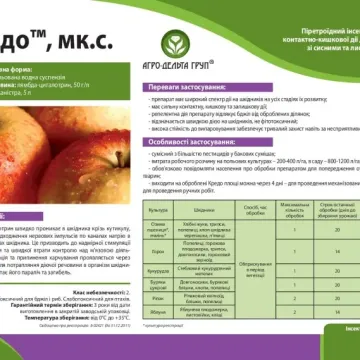
Credo
Три Дельта Компані Інтернешнл, Гонконг, Китай.
Insecticides, Acaricides
0
0
·
602
4 offers
51.1 €за 1 л
Купить


Community
Discussion
No discussions yet — be the first.