Description
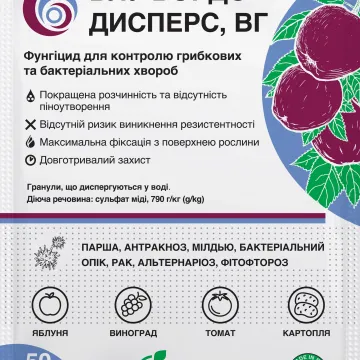
Bordeaux mixture is a well-known contact fungicide consisting of a suspension of copper (II) hydroxide and calcium sulfate, prepared by mixing copper sulfate with hydrated lime. It has been used extensively for over a century in agriculture to protect a wide range of horticultural and vegetable crops from various fungal and bacterial pathogens.
The mechanism of action involves the release of copper ions that interfere with the metabolic processes of fungal spores and bacteria. These ions inhibit the enzymes responsible for spore germination and mycelial growth, effectively creating a protective barrier on the plant surface that prevents new infections from taking hold.
This fungicide is highly effective against diseases such as downy mildew, late blight, scab, anthracnose, and various leaf spots. It is a staple in vineyards for protecting grapes, as well as in orchards for apple, pear, and stone fruit trees, and in vegetable patches for crops like tomatoes, potatoes, and cucumbers.
Precise application is critical to the safety and efficacy of the mixture. A higher concentration (3%) is typically reserved for dormant season "clean-up" sprays, while a milder (1%) concentration is used during the growing season to prevent phytotoxicity to green leaves and fruit. It is essential to achieve thorough, uniform coverage for optimal results.
- Prepare the solution fresh in plastic or non-metal containers.
- Monitor pH levels to ensure the solution is slightly alkaline.
- Avoid spraying during bloom to protect pollinators.
- Wear protective gear to minimize exposure to skin and eyes.
- Observe local regulations regarding residue limits before harvest.
A key characteristic of Bordeaux mixture is its superior adherence to foliage compared to other copper-based sprays. The mixture creates a persistent film that is resistant to wash-off by rain, which extends the period of protection. However, users should be aware that it acts only as a protectant and does not have systemic properties, so repeat applications are often necessary during periods of high disease pressure.
Regulatory
Status in the European Union
Approved in the EU
- Approved from
- 01.01.2019
- Approval until
- 30.06.2029
EU legislation
Regulatory status data: EU Pesticides Database © European Union, CC BY 4.0. EU status is for reference only and does not replace national registration in your country.
Контент-граф
Connections · Bordeaux mixture
Most often together:
Marketplace
Products · 2