
Anthracnose
Colletotrichum gloeosporioides
Description
Anthracnose, caused by the fungal pathogen Colletotrichum gloeosporioides, is a severe plant disease characterized by necrosis of tissues and significant yield losses. It is one of the most common fungal threats to a variety of commercial and ornamental plants worldwide, requiring systematic monitoring in fields.
The pathogen has a very broad host range. It commonly affects crops such as onion, garlic, peanut, asparagus, common oat, Indian mustard, celery, and anemone. The fungus can colonize leaves, stems, flowers, and fruits, often remaining latent in tissues until favorable environmental conditions trigger symptom development.
Symptoms typically manifest as sunken, necrotic lesions on leaves, stems, or fruits. These lesions often have distinct margins and may eventually produce characteristic pink or cream-colored masses of spores (acervuli) in humid conditions. On stems, these lesions can cause girdling, leading to wilt and eventual death of the affected plant part.
The development of the disease is highly dependent on environmental factors, particularly warm temperatures and high humidity. Frequent rainfall and overhead irrigation are major contributors to the dispersal of conidia. The fungus persists in crop debris and seeds, making sanitation and cultural practices crucial for disease management.
Management strategies focus on reducing primary inoculum and preventing infection cycles. This includes using certified pathogen-free seeds, implementing crop rotation, and maintaining proper plant spacing to improve air circulation. Fungicide applications, particularly those containing protective or systemic agents, are recommended when weather conditions favor disease spread.
Biology
Pathogens and affected parts
Pathogens
Colletotrichum gloeosporioides· fungus
Colletotrichum trifolii· fungus
Colletotrichum destructivum· fungus
Colletotrichum truncatum· fungus
Colletotrichum acutatum· fungus
Colletotrichum· fungus
Glomerella cingulata· fungus
Colletotrichum dematium· fungus
Glomerella cingulate· fungus
Colletotrichum musae· fungus
Colletotrichum graminicola· fungus
Glomerella graminicola· fungus
Affected plant parts
whole plantleaffruitstemseedroot
Content graph
Affects crops · 60
AlfalfaAlmondAppleArabica coffeeAsparagusAuriculaAvocadoBananaBlack walnutBrown mustardCassavaCattleyaCeleryCitrusCoconut palmCommon beanCommon hopCommon oatCommon pearCongo coffeeCottonDuracina cherryFairy primroseField mintFlaxGarlicGeraniumHazelnutIndustrial hempIvy-leaved pelargoniumLentilLettuceLinseedMango treeOnionPapayaPassiflora L.PeaPeachPeanutPeppermintPersian cyclamenPersian walnutPlanePoinsettiaPoppy anemonePrimrosePrimula obconicaScented GeraniumSour cherrySoybeanSpearmintStrawberrySweet PepperSweet potatoTobaccoTurnipWatermelonWinter barleyWinter rapeseed
Контент-граф
Connections · Anthracnose
Most often together:
Marketplace
Products · 1506
All 1506
Watermelon 266
Currant 223
Fungicides 176
Tulips 160
Bean 108
Linen 75
Clover 64
Pea 55
Raspberry 47
Lupin 41
Cucumber 34
Gooseberry 31


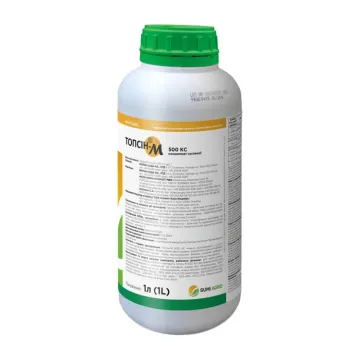


Vitavax 200 FF
Crompton (Uniroyal Chemical) Registration Limited
Fungicides
1
0
·
4.1K
7 offers
6.3 €за 1 л
Купить

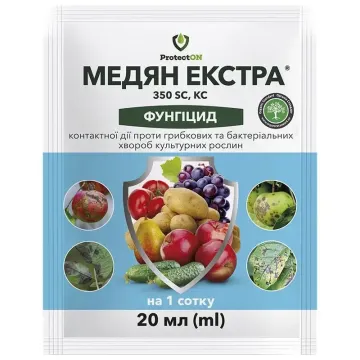
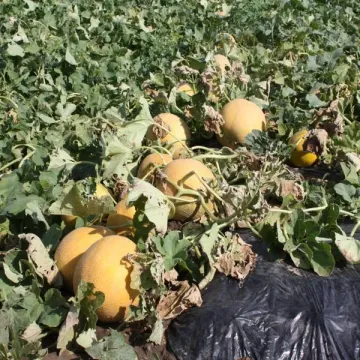






Prismatica F1
Unigen Seeds (United Genetics)
Watermelon
5
10
·
2.3K
12 offers
64.3 €за 1000 шт
Купить





Community
Discussion
No discussions yet — be the first.