Description
Fulvic acids are a major component of humic substances found in soils, characterized by their low molecular weight and high solubility across the entire pH range. In agronomy, they are widely recognized as powerful biostimulants that play a critical role in enhancing plant metabolism and physiological development. These organic compounds are essential for maintaining soil fertility and boosting crop productivity.
The mechanism of action of fulvic acids is largely based on their unique ability to act as natural chelating agents. They bind inorganic minerals into organic complexes that can be easily absorbed by plant roots. By increasing the permeability of cell membranes, fulvic acids facilitate the transport of water and nutrients, which in turn optimizes the plant's overall energy efficiency and growth rate.
These compounds are applied to a broad range of crops, including cereals, fruits, and vegetables, often in the form of foliar sprays or irrigation solutions. They are particularly valuable for mitigating abiotic stress, such as drought, extreme temperatures, or soil salinity. Furthermore, their application helps plants recover from pesticide toxicity, making them an ideal partner for herbicide or fungicide tank mixes.
Effective management strategies involve using fulvic acids during the early stages of plant growth to stimulate root development and prior to flowering to maximize yield potential. When integrated into crop management programs, they enhance the efficiency of mineral fertilizers, allowing growers to reduce chemical input while achieving superior quality results. Their role in soil health also promotes beneficial microbial activity.
- Enhanced nutrient uptake efficiency.
- Improved tolerance to environmental stress factors.
- Increased root biomass and plant vigor.
- Synergistic effect with other agricultural fertilizers and pesticides.
When handling and applying fulvic acid products, it is essential to follow the manufacturer's dosage guidelines to ensure optimal results. Although they are environmentally friendly, users should perform a compatibility test before mixing them with other chemicals, especially in hard water, to prevent precipitation. Storage should be in cool, dark environments to maintain the structural integrity and biological activity of the compounds.
Контент-граф
Connections · Fulvic acids
Most often together:
Marketplace
Products · 9


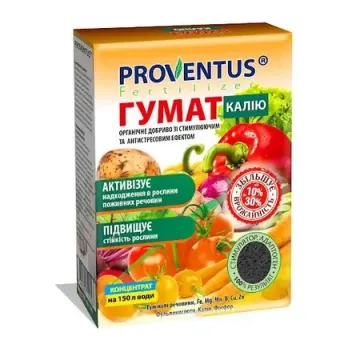
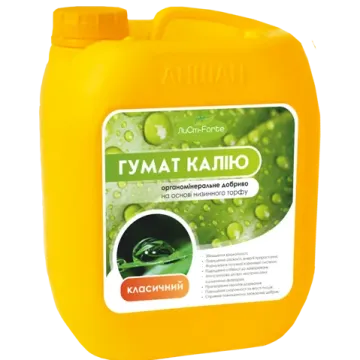
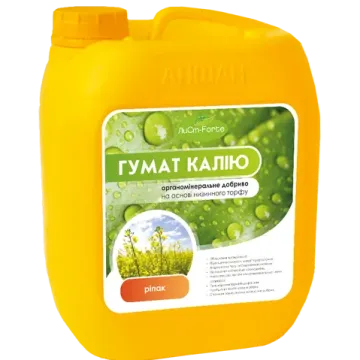
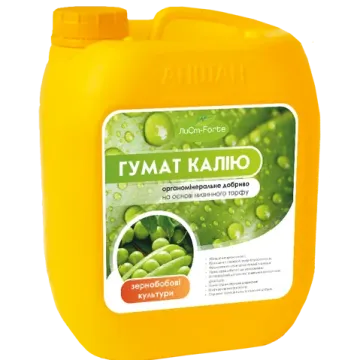
KALIUM GLUONATE FOR GRAIN AND LEGUME CROPS
LiSt-Forte
Fertilizers
1
0
·
352
2 offers
3.5 €за 1 кг
Купить