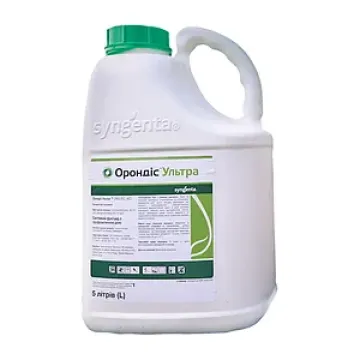
Description
Mandipropamid is a highly effective active ingredient belonging to the carboxylic acid amide chemical class (morpholide subgroup). It is a specialized fungicide designed to combat pathogens from the oomycete class. In agricultural practice, this component is valued for its high selectivity and excellent rainfastness, which is crucial for protecting crops during periods of active growth.
The mechanism of action of mandipropamid is based on the inhibition of phospholipid synthesis in fungal cell membranes. The substance blocks zoospore motility, preventing spore germination and pathogen mycelium growth within plant tissues. Due to its ability to rapidly adsorb to the waxy layer of leaves, mandipropamid creates a reliable protective screen that provides a long-lasting preventive effect against infection.
The main spectrum of application for this substance is the protection of nightshade and vegetable crops against late blight (Phytophthora infestans) and downy mildew (peronospora). Mandipropamid-based preparations are widely used on potatoes, tomatoes, onions, vineyards, and cucurbits. It is often included in anti-resistance management programs, rotating with products from other chemical groups to prevent pathogen adaptation.
Application features require strict adherence to the regulations. Mandipropamid is most effective when applied preventively before the first signs of disease appear. It exhibits strong translaminar activity, allowing it to protect even the untreated sides of the leaf. It is important to ensure uniform coverage with the working solution for maximum efficacy of the product.
- High rainfastness within 1 hour after application.
- Effective suppression of pathogen sporulation.
- Long duration of protective action (up to 10-14 days).
- Minimal risk to beneficial entomophages and bees when norms are followed.
When working with the preparation, it is necessary to strictly follow safety measures: use personal protective equipment for skin, respiratory organs, and eyes. Mandipropamid is considered low-toxic to warm-blooded animals, but it requires adherence to sanitary zones during aerial application and the prevention of concentrate entry into water sources. Disposal of packaging and product residues must be carried out in accordance with current environmental legislation.
Контент-граф
Connections · Mandipropamid
Most often together:
Marketplace