

Alternaria leaf spot
Alternaria alternata
Description
Alternaria leaf spot is a destructive fungal disease caused by various species of the Alternaria genus, most notably Alternaria alternata. It is a widespread plant pathogen that primarily attacks foliage, stems, and fruits, leading to necrosis and premature defoliation. This disease is a significant concern for both commercial farming and horticulture due to its potential to devastate crop yields.
The host range for this pathogen is exceptionally broad, affecting a diverse array of agricultural and vegetable crops. Species frequently impacted include onions, garlic, celery, peanuts, fodder beets, Indian mustard, winter rapeseed, and turnips. The fungus persists in infested soil, decaying crop debris, and on or within contaminated seeds, facilitating re-infection cycles in subsequent growing seasons.
Symptomatology typically starts as small, circular or irregular dark brown spots. As the infection progresses, these lesions expand and exhibit characteristic concentric rings or "target board" patterns. During humid conditions, a dark, velvety mycelial growth appears on the necrotic surfaces. Infected leaves often turn yellow, curl, and die prematurely, which severely inhibits the plant’s ability to photosynthesize effectively.
Environmental conditions play a critical role in the disease's lifecycle. High relative humidity, leaf wetness from rain or irrigation, and moderate to warm temperatures (typically between 18°C and 28°C) are highly favorable for spore germination and infection. Plants under stress, such as those suffering from nutrient deficiencies or pest attacks, are significantly more vulnerable to colonization by Alternaria pathogens.
The economic impact of the disease is significant, resulting in reduced biomass, stunted growth, and poor harvest quality. Post-harvest rotting of tubers and bulbs is also common if the crop is infected prior to storage. Integrated Pest Management (IPM) strategies are essential for control:
- practicing diverse crop rotations
- using disease-free certified seeds
- applying balanced fertilization
- utilizing systemic fungicides during peak infection periods
- thoroughly removing and destroying infected plant matter
Biology
Pathogens and affected parts
Pathogens
Alternaria alternata· fungus
Alternaria mali· fungus
Alternaria· fungus
Alternaria tenuis· fungus
Alternaria brassicae· fungus
Alternaria tenuissima· fungus
Alternaria saponariae· fungus
Alternaria dianthi· fungus
Alternaria dianthicola· fungus
Alternaria radicina· fungus
Cercospora apii· fungus
Alternaria smyrnii· fungus
Affected plant parts
leafwhole plantfruitstemseedrootbulbear
Content graph
Affects crops · 58
AlmondAppleApricotBarberton daisyBilberryBrown mustardCarnationCattleyaCeleryChickpeaChristmas CactusCitrusClaw cactusCommon beanCommon grape vineCommon hopCommon pearCornDate palmDuracina cherryFlaxFodder beetGarden verbenaGarlicIndustrial hempJerusalem artichokeJerusalem cherryLentilLettuceLinseedMango treeOnionPapayaPeaPeachPeanutPersian walnutPistachioPotatoRadishRed raspberryRiceRoseRyeSafflowerSour cherrySoybeanSpinachStrawberrySugar CaneSunflowerSweet PepperSweet potatoTurnipWatermelonWinter barleyWinter rapeseedWinter wheat
Контент-граф
Connections · Alternaria leaf spot
Most often together:
Marketplace
Products · 1892
All 1892
Fungicides 554
Tomato 396
Rapeseed 200
Carrot 196
Sunflower 185
Tulips 103
Potato 59
Plant Growth Regulator 23
Cabbage 23
Mustard 21
Pepper 15
Sarepitsa 15


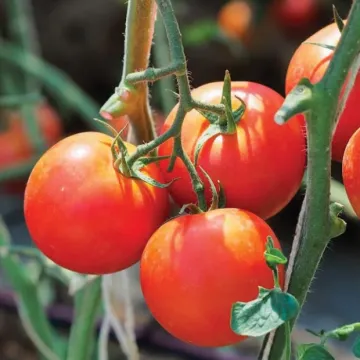
Pink Lady F1 / Pink Girl F1
Seminis Vegetable Seeds
Tomato
19
8
·
11.9K
7 offers
2.9 €за 1000 шт
Купить






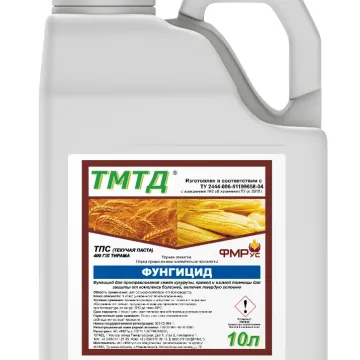


Kolosal Pro
ЗАТ Фірма Август, Росія.,селище Вурнари,
Fungicides
1
1
·
5.2K
13 offers
0.2 €за 1 л
Купить


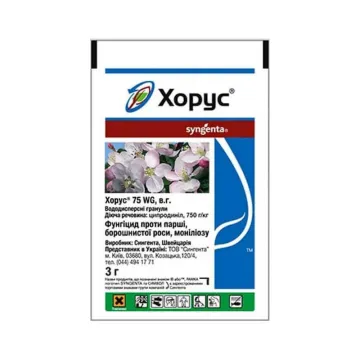


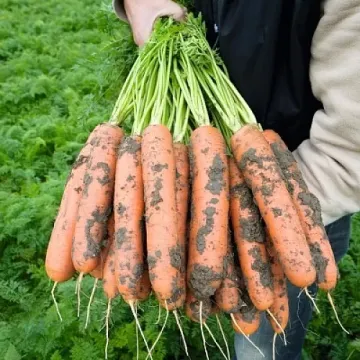


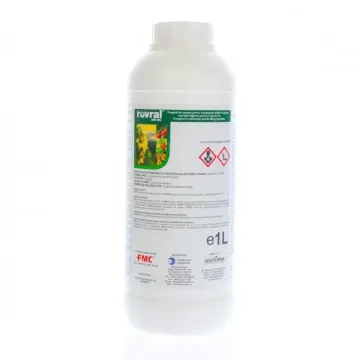
Rovral Aquaflow
БАСФ Агро БВ, Швейцарія, на заводі , Франція,Італія (Сієна)
Fungicides
0
0
·
4.1K
6 offers
13.6 €за 1 л
Купить


Vitavax 200 FF
Crompton (Uniroyal Chemical) Registration Limited
Fungicides
1
0
·
4.1K
7 offers
6.3 €за 1 л
Купить







Community
Discussion
No discussions yet — be the first.