
Description
Thiophanate-methyl is a broad-spectrum systemic fungicide belonging to the thiophanate chemical class, which is widely utilized in modern agriculture. It is recognized for its dual ability to act as both a preventive and curative treatment, making it a critical tool for managing various fungal infections in crops throughout their growth cycle.
The mode of action of this compound is characterized by the inhibition of the cell division process in pathogens. Once absorbed by the plant, thiophanate-methyl is converted into carbendazim, which interferes with the synthesis of beta-tubulin. By blocking this essential protein, the fungicide prevents the fungus from developing mycelium and sporulating, effectively halting the infection's progress.
It is extensively used across a variety of crops, including cereals, sugar beets, oilseed rape, pome fruits, grapes, and various vegetables. Its efficacy against diseases such as powdery mildew, leaf spot, sclerotinia, and fusarium wilt has established it as a staple in integrated pest management (IPM) programs worldwide.
Effective application requires attention to environmental conditions, particularly temperature. Optimal performance is typically observed in moderate to warm weather, which facilitates the systemic uptake and transport of the active ingredient. Because of the risk of pathogen resistance, it is highly recommended to rotate thiophanate-methyl with fungicides that possess different modes of action to ensure long-term efficacy.
Safety is paramount when handling this fungicide. Users should strictly adhere to label guidelines, wear appropriate protective equipment, and prevent chemical runoff into aquatic ecosystems. Because it can be toxic to certain aquatic life and non-target organisms, precise application and correct disposal of residual solutions are required to maintain environmental safety standards.
Контент-граф
Connections · Thiophanate-methyl
Most often together:
Marketplace
Products · 65


Thiophanate Extra
Sunrise Agrochemical Co., Ltd.
Fungicides
0
0
·
2.3K
14 offers
11.3 €за 1 л
Купить


Alpha-Epoxil
«Юнісіті Ентерпрайсіс Л.П.», Единбург, Великобританія
Fungicides
0
0
·
47
2 offers
3.2 €за 1 л
Купить


Thiophen z.p.
Санрайз Кемікалз Ко. Лтд., Шанхай, Китай
Fungicides
0
0
·
40
5 offers
7.4 €за 1 л
Купить

Yamato
«Ізагро С.п.А.», Італія, ф. «Алхімекс С.А.», Румунія
Fungicides
0
0
·
38
10 offers
10.9 €за 1 л
Купить

Phoenix Duo
БІЛОЦЕРКІВСЬКИЙ ЗАВОД ПРЕПАРАТИВНИХ ФОРМ
Fungicides
0
0
·
37
6 offers
13.7 €за 1 л
Купить

Rekston
Ф.Суперус Ко ., Лтд., Гонг-Конг, Шанхай, Китай.
Fungicides
0
0
·
37
4 offers
1.4 €за 1 л
Купить


Thiophen Extra
Санрайз Кемікалз Ко. Лтд., Шанхай, Китай
Fungicides
0
0
·
35
14 offers
11.3 €за 1 л
Купить


YAMATO, SE
«Ізагро С.п.А.», Італія, ф. «Алхімекс С.А.», Румунія
Fungicides
0
0
·
34
1 offer
17.3 €за 1 л
Купить


Thiophen Extra z.p.
Санрайз Кемікалз Ко. Лтд., Шанхай, Китай
Fungicides
0
0
·
31
8 offers
10.6 €за 1 л
Купить


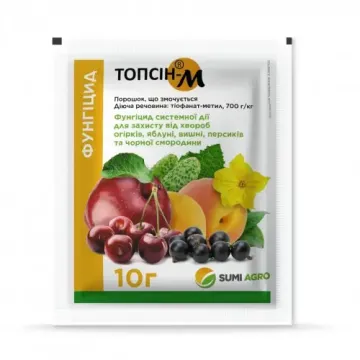

Thiophen Extra
Жеджианг Хебен Пестисайд енд Кемікалс Ко., Лтд., Китай
Fungicides
0
0
·
29
4 offers
13 €за 1 л
Купить

Fabus 497 KS
Фадер Альянс Лтд., Великобританія (Fader Alliance Ltd., England) на заводах Нідерландів, Польщі
Fungicides
0
0
·
29
2 offers
33.3 €за 1 л
Купить


Phoenix Duo
БІЛОЦЕРКІВСЬКИЙ ЗАВОД ПРЕПАРАТИВНИХ ФОРМ
Fungicides
0
0
·
29
9 offers
16.1 €за 1 л
Купить


Thiophen Extra z.p.
Санрайз Кемікалз Ко. Лтд., Шанхай, Китай
Fungicides
0
0
·
27
11 offers
10.6 €за 1 л
Купить
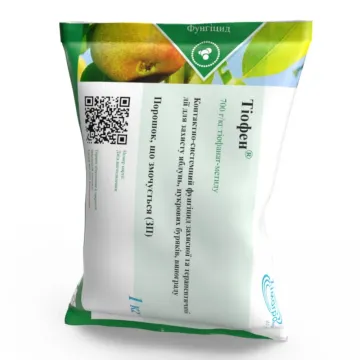
Thiophen ZP
Жеджианг Хебен Пестисайд енд Кемікалс Ко., Лтд., Китай
Fungicides
0
0
·
26
3 offers
9.3 €за 1 л
Купить
Zakhisnik
«Нанджин Ессенс Файн-Кемікал Ко. Лтд» (Китай)
Fungicides
0
0
·
23
3 offers
8.1 €за 1 л
Купить

Zakhisnik
ТОВ «Фабрика агрохімікатів», Черкаси, Україна
Fungicides
0
0
·
22
3 offers
9.7 €за 1 л
Купить


Spiral
China National Chemical Construction Ningbo Import & Export Co.
Fungicides
0
0
·
53
No offers
—
Details

