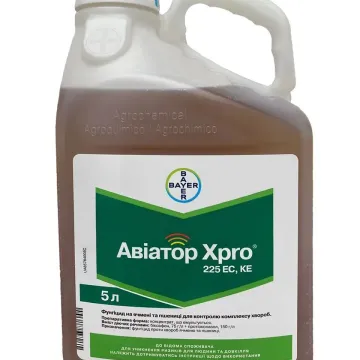
Description
Prothioconazole is a systemic fungicide belonging to the triazolinthione chemical class. It is widely recognized in professional agronomy for its excellent performance in controlling a broad spectrum of fungal diseases across numerous field crops, serving as a cornerstone of modern disease management programs.
The mode of action of prothioconazole involves the inhibition of ergosterol biosynthesis by targeting the demethylation of fungal cell membranes. This process disrupts the structural integrity of the pathogen, effectively stopping mycelial growth and spore production. Its systemic nature allows it to be rapidly absorbed and translocated throughout the plant tissue for long-lasting protection.
Prothioconazole is primarily used to protect cereals, oilseed rape, maize, and sugar beet. It is particularly effective against Fusarium head blight, Septoria leaf blotch, rusts, and powdery mildew. Its ability to combat a variety of pathogens makes it an essential tool for maintaining high yields and ensuring grain quality under intense disease pressure.
Effective application requires careful timing according to crop growth stages and infection severity. The substance is frequently used in tank mixtures with other fungicide classes, such as strobilurins or SDHI inhibitors, to enhance efficacy and provide a comprehensive defense strategy that helps prevent the development of resistance in target pathogen populations.
When handling products containing prothioconazole, strict safety protocols must be followed. Operators should use appropriate personal protective equipment, including gloves and respirators. Always follow the instructions provided on the product label regarding application rates and pre-harvest intervals to ensure environmental safety and consumer protection.
Контент-граф
Connections · Prothioconazole
Most often together:
Marketplace
Products · 64





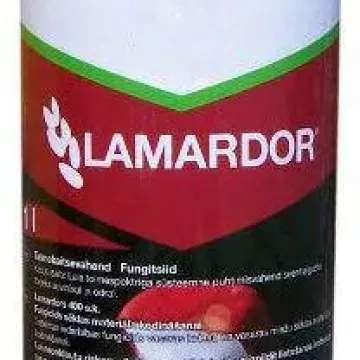



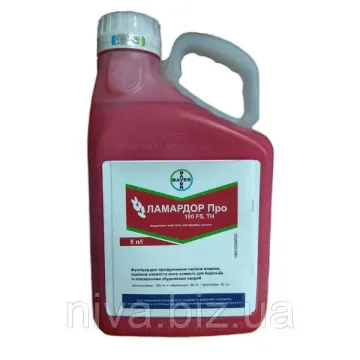


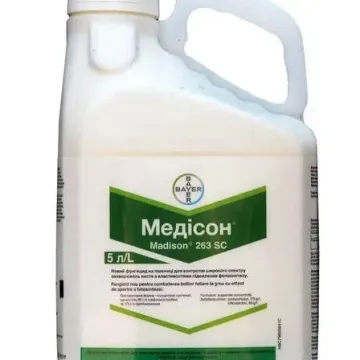
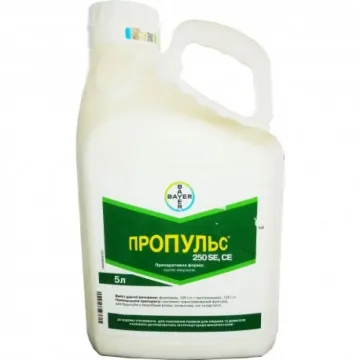



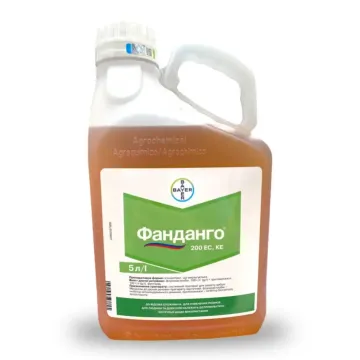


Lomardor 400FS
Байєр КроnСаєнс АГ ,м.Дормаген ,Німеччина
Fungicides
0
0
·
24
5 offers
17.7 €за 1 л
Купить