
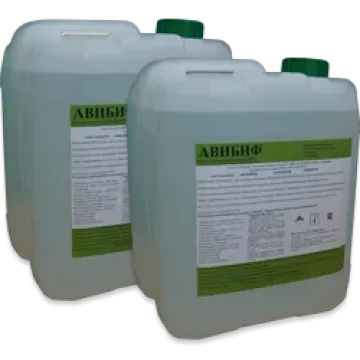
Active ingredient
Especially harmful
Poly-N,N-dimethyl-3,4-dimethylenepyrrolidinium chloride
Description
Poly-N,N-dimethyl-3,4-dimethylenepyrrolidinium chloride is a high-molecular-weight chemical compound primarily utilized in agriculture as a herbicide safener. Unlike herbicides or fungicides, this substance is specifically designed to increase the selectivity of herbicides, protecting desirable crops from potential injury while maintaining the effectiveness of weed control strategies.
The mechanism of action involves the stimulation of metabolic pathways within the crop plant that lead to the rapid detoxification of the applied herbicide. By inducing specific enzymatic processes, the safener ensures that the herbicide molecules are converted into inactive compounds before they can interfere with the essential physiological functions of the crop, such as photosynthesis or protein synthesis.
This safener is most commonly used in maize production, particularly in conjunction with chloroacetanilide-type herbicides. Its application is crucial in scenarios where soil conditions or adverse weather—such as cold or waterlogged environments—might otherwise leave the crop vulnerable to herbicide stress. It provides the necessary biological buffering to ensure stable crop development despite intensive weed management.
Application instructions require precise timing and dosage relative to the primary herbicide being used. It is typically formulated as part of a pre-mixed solution or added as a tank mix component. Proper integration ensures that the safening effect occurs exactly when the crop is most susceptible to herbicide-induced damage, ensuring optimal crop vigor throughout the critical early growth stages.
- Enhanced crop tolerance to herbicide stress
- Stimulation of enzymatic detoxification in plants
- Improved safety margin for chemical weed control
- Maintains yield potential under intensive cultivation
When handling this substance, strict safety protocols must be followed to protect operators and the environment. Operators are required to wear appropriate personal protective equipment (PPE) during mixing and application. Additionally, it is essential to manage product runoff and storage carefully to prevent contamination of groundwater or sensitive ecological zones, adhering to established chemical safety guidelines.
Контент-граф
Connections · Poly-N,N-dimethyl-3,4-dimethylenepyrrolidinium chloride
Most often together:
Marketplace