Cornflower
Centaurea cyanus L.
Description
Cornflower (Centaurea cyanus L.) is an annual herbaceous plant belonging to the Asteraceae family. Historically regarded as an invasive weed in cereal crops, it is now commercially grown as a high-value botanical resource for the pharmaceutical, cosmetic, and apiculture industries, valued for its unique phytochemical profile.
Native to the Mediterranean region, the species has achieved a global distribution. In an agricultural context, it thrives in temperate climates and is well-suited to moderate soil conditions. Commercial cultivation typically focuses on maximizing the yield of blue florets, which are the primary economic part of the plant.
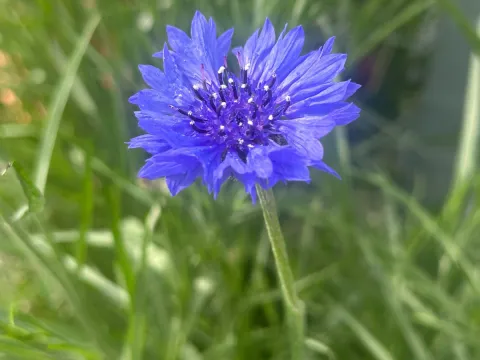
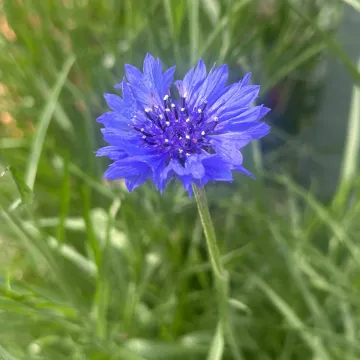
Botanically, the plant features a slender, branched stem growing between 30 and 80 cm in height. The inflorescences are distinctive solitary flower heads with vibrant blue ray florets. Its root system is primarily taprooted, enabling the plant to establish itself in various soil types, provided they are well-aerated and free from waterlogging.
Regarding agrotechnical requirements, cornflowers prefer sunny, open locations with well-drained, nutrient-rich soils. Planting is usually conducted in early spring. The crop is relatively cold-hardy, but it is sensitive to weed competition, making early-stage manual or mechanical weeding an essential practice for high-quality production.
The plant is widely used for its anti-inflammatory and diuretic properties, as well as being a premium source for high-quality honey. Producers must remain vigilant regarding phytosanitary issues, such as powdery mildew and rust infections, which are common in dense plantations. Pest management strategy typically involves integrated practices to maintain the quality of the harvested flowers.
Photo gallery