Bog pine
Dacrydium bidwillii
Description
Bog pine (Dacrydium bidwillii) is a distinctive slow-growing conifer species belonging to the Podocarpaceae family. It typically manifests as a dense, low-growing shrub or a small, stunted tree, highly regarded in horticultural circles for its aesthetic texture and seasonal color variations.
The plant is native to New Zealand, primarily inhabiting subalpine regions, scrublands, and peat bogs. Its evolution in these harsh, high-altitude environments has granted it significant hardiness against freezing temperatures, wind exposure, and poor soil nutrient content.
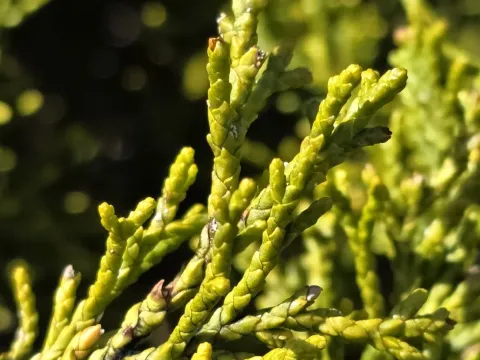
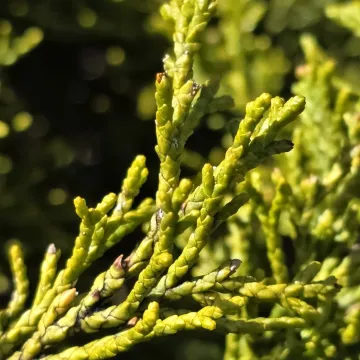
Botanically, it features a dimorphic foliage structure: juvenile plants possess needle-like leaves, while mature plants develop scale-like foliage that presses tightly against the stems. Its appearance is often described as architectural, with a branch structure that is both rigid and intricate, making it a favorite for rock gardens and specialized landscapes.
Agrotechnical requirements focus on replicating its natural habitat's conditions. It necessitates acidic, well-draining soil that remains consistently moist but not waterlogged. In a nursery or garden setting, providing adequate air circulation and shelter from intense afternoon sun helps prevent foliage scorch and maintains the plant's health.
In terms of cultivation challenges, the Bog pine is relatively resistant to pests. However, it is susceptible to root rot if the drainage is insufficient, and may struggle with fungal pathogens if planted in environments with high humidity and stagnant air. Regular maintenance involves monitoring soil acidity and ensuring the root zone does not dry out completely during the growing season.
- Family: Podocarpaceae
- Native Habitat: New Zealand subalpine zones
- Growth Habit: Slow-growing evergreen
- Light Requirement: Partial shade to full sun
- Landscaping Use: Ornamental rockeries, feature shrubs
Photo gallery