Silver pine
Dacrydium colensoi Hook.
Description
The Silver pine (Dacrydium colensoi) is a unique coniferous species belonging to the Podocarpaceae family. It is recognized for its slow-growing nature and distinct aesthetic appeal, often serving as a focal point in specialized horticultural collections due to its elegant, pendulous foliage structure.
This species is endemic to New Zealand, primarily distributed across the North and South Islands. It thrives in diverse environments, ranging from boggy wetlands to mountainous subalpine regions. Its evolution in these humid, cool climates has made it an exceptionally resilient plant in specific ecological niches.
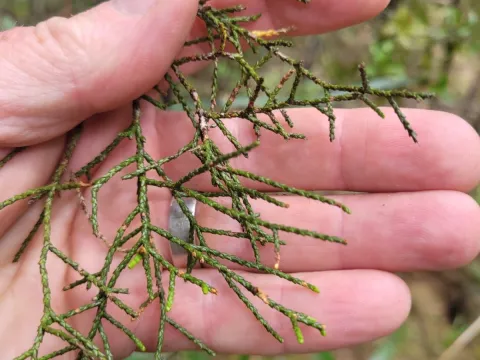
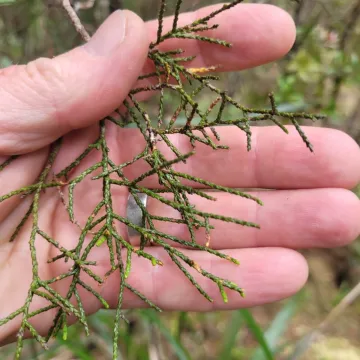
Botanically, the species is defined by its dimorphic leaves. Juvenile trees display sharp, needle-like foliage that provides protection, while mature trees develop flattened, scale-like leaves closely appressed to the stems. The wood is exceptionally dense and rich in resin, which has historically provided high durability against rot.
Regarding cultivation, Silver pine requires acidic, well-drained, yet consistently moist soils. It is sensitive to drought and extreme heat, necessitating a protected location with dappled sunlight. Proper maintenance involves regular mulching to keep root temperatures stable and the application of fertilizers formulated specifically for acid-loving conifers.
The primary utility of the Silver pine in modern agriculture and forestry is ornamental. It is highly sought after by collectors for its silvery-green appearance and structural interest. Growers should monitor for common issues such as root pathogens caused by poor drainage and infestations of scale insects, which can be managed with standard horticultural oils.
Photo gallery