Dacrydium biforme
Dacrydium biforme
Description
Dacrydium biforme, commonly known as yellow pine, is a distinct coniferous species within the Podocarpaceae family. Native exclusively to New Zealand, this species is highly regarded for its resilience and unique growth pattern, often found in subalpine and high-altitude forest ecosystems.
The tree thrives in cool, moist environments and is perfectly adapted to the rugged topography of New Zealand’s mountain ranges. Depending on the local microclimate, Dacrydium biforme can exhibit a range of growth forms, varying from a small, stunted shrub to a more upright tree structure, rarely exceeding 15 meters in height.
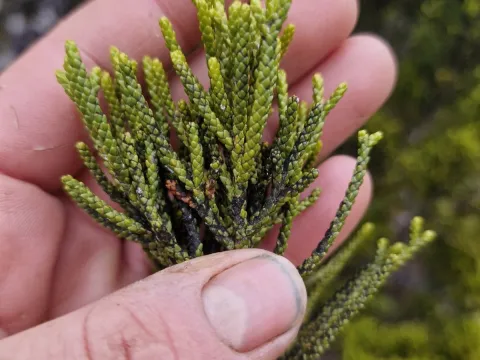
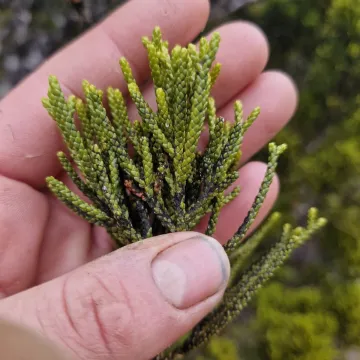
Its botanical identity is characterized by significant heterophylly. The foliage changes drastically as the tree matures: juvenile leaves are elongated and needle-like, while adult leaves become scale-like and imbricate, covering the branchlets closely to provide insulation against harsh winds.
Cultivation of this species requires meticulous attention to soil conditions. It demands acidic, well-drained, nutrient-rich soils to thrive. In nursery settings, it is crucial to ensure consistent moisture levels while providing shade from direct, intense sunlight during the early developmental stages of the seedlings.
Historically, the timber of Dacrydium biforme was utilized for specialized joinery due to its durability and attractive yellow-brown color. However, because of its slow growth rate, the species is currently managed primarily for conservation purposes rather than commercial timber production. Pests and diseases are minimal in natural habitats, but root rot can be a significant threat if drainage is compromised.
Photo gallery