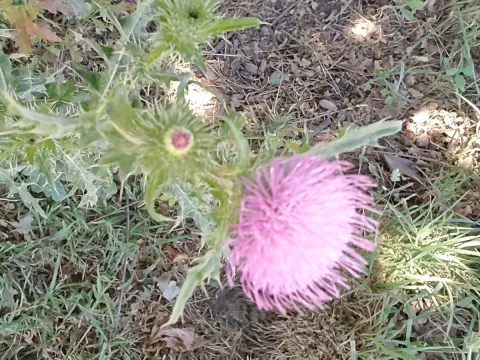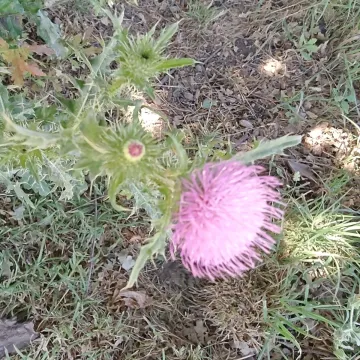
Welted thistle
Carduus acanthoides L.
Description
The welted thistle (Carduus acanthoides L.) is a member of the Asteraceae family. Known primarily as a biennial herbaceous plant, it is often categorized as a common weed in agricultural fields, yet it offers significant benefits for pollinators and potential medicinal use.
Originating from Europe and Asia, the plant has naturalized across temperate regions worldwide. It is typically found in disturbed habitats, such as pastures, roadsides, and meadows. While not cultivated as a primary crop, it plays a vital role in local ecosystems by providing resources for biodiversity.
Botanically, the welted thistle is characterized by its rigid, spine-covered stems that can reach over one meter in height. Its leaves are pinnately lobed and armed with sharp prickles. The characteristic purple flower heads are solitary or clustered, appearing throughout the mid-to-late summer months.
The plant demonstrates remarkable hardiness regarding soil and climate. It thrives in various conditions, ranging from dry, rocky, and nitrogen-poor soils to more fertile pastures. It is highly drought-tolerant, making it a persistent presence in agricultural landscapes, which requires strategic management to contain its spread.
Key хозяйственное uses of the welted thistle include:
- Serving as a valuable source of nectar for honey bees throughout the summer season.
- Traditional medicinal use, where extracts have been historically employed for their properties.
- Environmental stabilization in non-arable lands, helping to cover and protect the topsoil.
Common pests and diseases affecting the plant include various species of aphids, thistle-feeding beetles, and fungal pathogens like rusts. In intensive agriculture, controlling its population is essential to maintain crop yields, typically involving mechanical removal or the application of herbicides before seed maturity.
Photo gallery