
Description
Grass pea (Lathyrus sativus L.) is a hardy annual pulse crop belonging to the Fabaceae family. It is widely recognized for its exceptional resilience, as it can thrive in harsh environments and poor soil conditions where other traditional legumes often fail to produce a reliable harvest.
Originally from the Mediterranean and Western Asia, grass pea is now grown extensively in many parts of the world, particularly in South Asia, Ethiopia, and parts of Europe. Its ability to tolerate both severe drought and temporary waterlogging makes it a vital insurance crop for farmers in unpredictable climates.
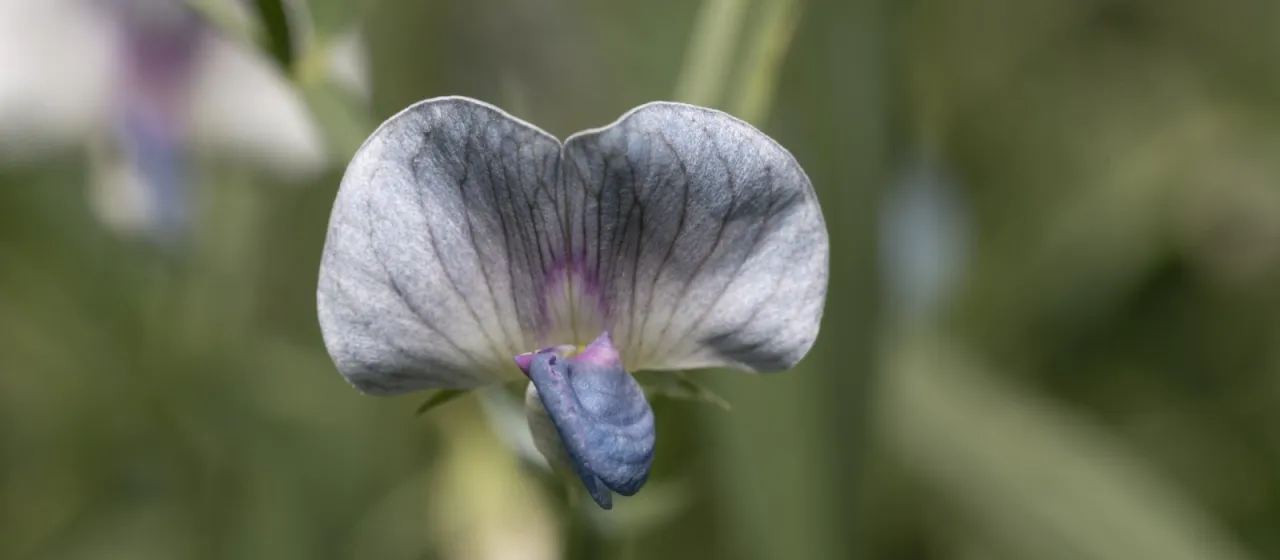
Botanically, the plant is characterized by a sprawling or semi-erect stem, compound leaves with tendrils, and attractive flowers that vary in color from white to deep blue. Its deep, vigorous root system allows it to reach moisture deep in the soil, which is the primary reason for its survival under extreme heat and lack of rainfall.
Agronomic requirements for grass pea are relatively low, as it performs well on a wide range of soil types, including those with low fertility or salinity. It is sown in early spring, requiring minimal tillage. Weed management is crucial during the early growth phase, as the plant establishes its root system before entering a rapid period of vegetative growth.
The crop is highly valued for its dual-purpose use: it provides high-protein forage for livestock and nutritious seeds for human and animal consumption. Regarding crop protection, growers must monitor for common pests such as bruchid beetles and diseases like powdery mildew or root rot, particularly in humid seasons.
- Extreme drought and heat tolerance
- Ability to fix atmospheric nitrogen
- Low requirement for fertilizers and inputs
- High nutritional profile for livestock feed