
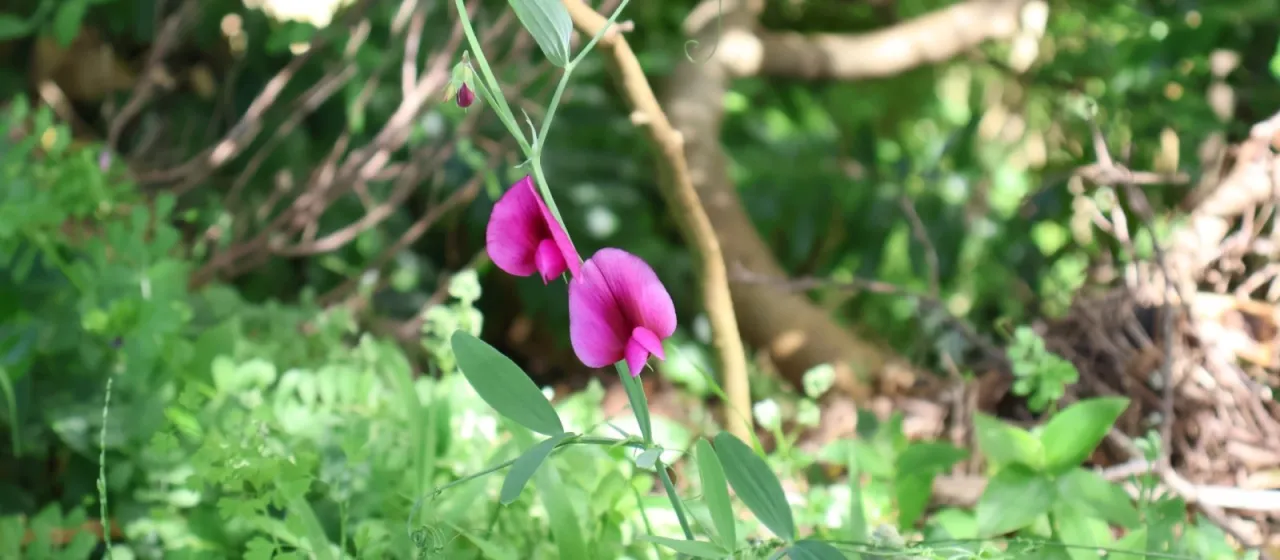
Description
Tangier pea (Lathyrus tingitanus L.) is an annual herbaceous plant belonging to the Fabaceae family. As a leguminous crop, it is recognized for its ability to produce significant biomass while providing soil enrichment benefits through biological nitrogen fixation. Although less common than other pulses, it remains a plant of interest for specific Mediterranean-style agricultural systems.
Originating from the Mediterranean region, particularly North Africa and parts of Southern Europe, the Tangier pea is well-adapted to environments characterized by mild winters and dry, warm summers. Its natural distribution includes scrublands and rocky areas, reflecting its robustness and ability to thrive in diverse microclimates within its range.
The botanical structure of the plant is defined by its climbing habit, with stems often exceeding one meter in length. The leaves are compound, featuring tendrils that assist in climbing over supports or neighboring vegetation. The plant produces vibrant, purple-red flowers which are followed by flattened, dehiscent pods containing protein-rich seeds, typical of the Lathyrus genus.
Cultivation requirements for the Tangier pea focus on soil drainage and sunlight exposure. It thrives best in well-drained loamy or sandy soils with a neutral pH. Excessive moisture can lead to root damage, so site selection with proper drainage is critical. In terms of agronomic practice, early spring sowing is generally recommended to ensure the plant establishes effectively before the onset of peak summer temperatures.
Key хозяйственное uses of the Tangier pea include:
- Forage production for livestock, providing high-quality protein green feed.
- Soil improvement and green manure to enhance nitrogen content in the field.
- Ornamental potential for garden structures and ground cover, though its primary agricultural role is forage.
In terms of plant health, Tangier pea is susceptible to standard pulse diseases such as powdery mildew and root rot, particularly in humid conditions. Pests such as aphids and pea weevils can also impact yield quality. Farmers are encouraged to use crop rotation strategies and regular field monitoring to mitigate these risks and ensure the long-term productivity of the crop.