
Description
Tangier pea (Latin: Lathyrus tingitanus) is a robust annual herbaceous plant belonging to the Fabaceae family. Known in agricultural circles for its impressive biomass production and nitrogen-fixing abilities, this crop serves as a significant asset for sustainable agriculture, helping to improve soil fertility and health in various rotation systems.
Native to the Mediterranean region, the Tangier pea has adapted to a wide range of temperate and subtropical climates. Its distribution area has expanded globally, particularly in regions that seek low-input forage alternatives. It thrives in well-drained soils and shows remarkable resilience during periods of moderate drought, making it suitable for diverse farming environments.
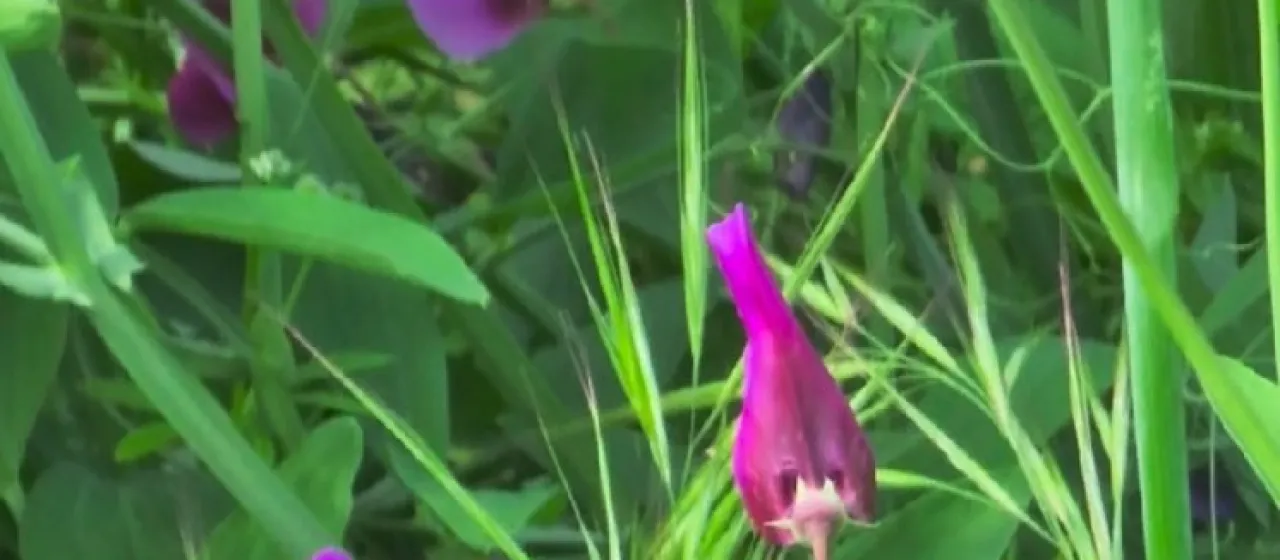
Botanically, the plant is characterized by its vining growth habit, supported by tendrils that enable it to climb. The leaves are compound, and the flowers are notable for their vibrant purple or magenta hues, which often attract beneficial pollinators. The root system is quite extensive, facilitating the absorption of moisture and essential minerals from the soil profile.
Agronomical requirements for Tangier pea are relatively straightforward. It is best planted in early spring when the soil temperature begins to rise. While it tolerates various soil textures, avoiding waterlogged sites is crucial to prevent root rot. Proper spacing is necessary to facilitate airflow within the canopy, which is essential for disease management and ensuring optimal growth throughout the season.
In terms of хозяйственного (economic) use, the Tangier pea is primary utilized as high-protein green fodder or as a cover crop. The forage quality makes it an excellent feed source for livestock. However, farmers should be aware of potential pest threats such as aphids, as well as fungal issues like powdery mildew, which can be mitigated through proactive field monitoring and the use of healthy, high-quality seed stocks.
- Monitor for early pest infestations.
- Avoid excessive moisture in the root zone.
- Inoculate seeds for improved nitrogen fixation.