
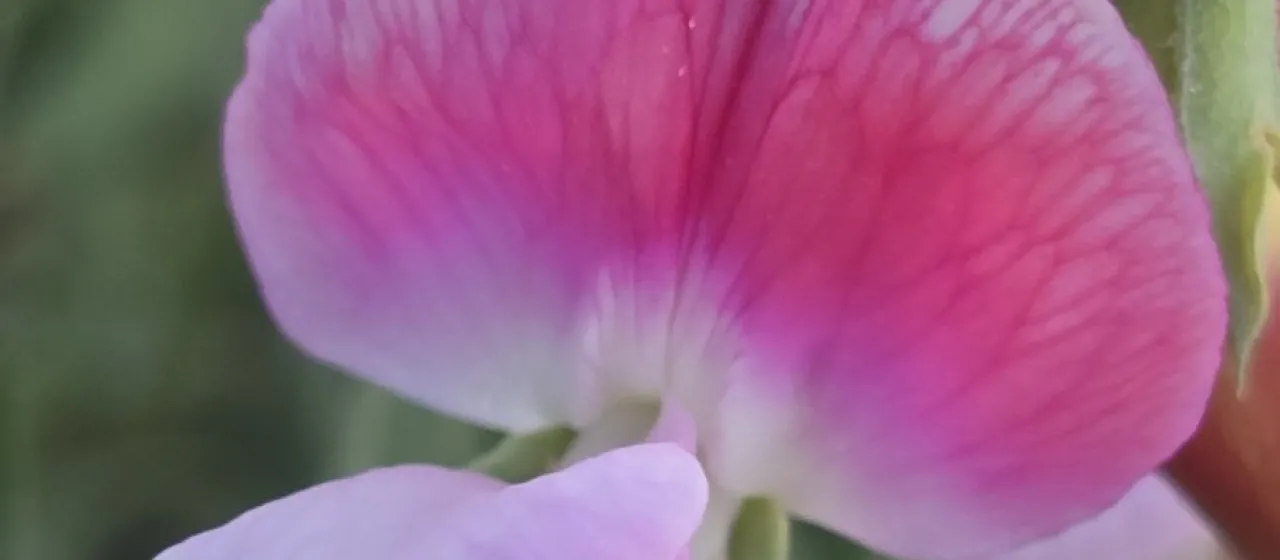
Description
Sweet pea (Lathyrus odoratus L.) is an annual herbaceous flowering plant belonging to the family Fabaceae. Renowned for its fragrant flowers and vigorous climbing habit, it is widely grown as an ornamental plant in gardens and for the cut flower industry. The plant can reach heights of several meters if provided with appropriate structural support.
Native to the eastern Mediterranean, specifically Italy and Sicily, sweet pea has been introduced and cultivated across the globe. It thrives in temperate climates where the growing season provides mild temperatures, as extreme heat often leads to early cessation of flowering. The plant is valued for its hardiness during the early spring stages.
Botanically, the plant features alternate, compound leaves with two leaflets and terminal tendrils that allow it to climb. The flowers are zygomorphic, typically consisting of a broad standard, two lateral wings, and a keel. The deep-reaching taproot system allows for efficient nutrient uptake and contributes to the plant's structural resilience.
Success in sweet pea cultivation requires well-drained, nutrient-rich soil with a slightly alkaline pH. The site must receive ample sunlight but should be protected from drying winds. Adequate moisture is essential throughout the growing cycle, particularly during the flowering stage, to prevent bud drop. Mulching is recommended to maintain stable soil temperatures and moisture.
In terms of agricultural and horticultural use, sweet pea is a staple in cottage gardens and vertical landscaping. It is frequently grown on trellises, netting, and arbors to create screens or focal points. Beyond decorative use, it is a significant commercial crop in the cut flower market, favored for its scent and delicate, varied color palette.
- Powdery mildew: a common fungal issue in humid conditions.
- Root rot: usually caused by poor drainage or overwatering.
- Aphids: small insects that often cluster on young stems and buds.
- Pea moth: larvae can damage seeds and internal pod structures.